Natural Medicine
Marma Therapy

What Is Marma Therapy?
Last Edited: Nov 2025
Marma therapy is an ancient Ayurvedic healing technique that's been practised for thousands of years. If you've ever wondered why gentle pressure on certain points of your body can create profound shifts in how you feel, physically and emotionally, marma therapy offers answers rooted in one of the world's oldest healing systems.
At its heart, marma therapy works with specific energy points on your body called marma points. These aren't random spots. They're precise anatomical locations where muscles, veins, ligaments, bones, and joints meet. In Ayurvedic medicine, these junctions are considered pathways for prana, your life force energy. When a trained practitioner applies gentle pressure or massage to these points, they're stimulating energy flow throughout your body, releasing blockages, and promoting healing on physical, mental, and emotional levels.
The word "marma" itself comes from the Sanskrit root "mri," meaning death or to kill. This might sound dramatic, but it reflects the power of these points. In ancient times, warriors knew that striking certain marma points could be lethal. Today, that same knowledge is used for healing. Any area of the body that can be harmed with a forceful blow can be healed with therapeutic touch.
People seek marma therapy for stress relief and pain management, but its benefits reach much further. It can help with chronic pain, insomnia, anxiety and depression, digestive issues, fatigue, headaches and migraines, joint pain and stiffness, and high blood pressure. Marma therapy also works on deeper levels, promoting emotional balance, mental clarity, and spiritual wellbeing.
The Ancient Origins of Marma Therapy
Marma therapy's roots stretch back to around 1500 BCE in the Vedic period of ancient India. According to folklore, Lord Shiva shared this knowledge with his wife Parvati, who taught it to their son Murugan. The wisdom was then passed to the Tamil sage Agastya, who taught his students. This lineage reflects how sacred and powerful this knowledge was considered.
The practice originated alongside Kalaripayattu, India's ancient martial art from Kerala in South India. Kalari warriors weren't just trained in combat. They were deeply schooled in Ayurveda and anatomy. They used marma knowledge both to disable enemies in battle and to revive fallen comrades and heal injuries afterwards. This dual application, for both harm and healing, underscores the profound understanding these ancient practitioners had of the body's vital energy centres.
The earliest written documentation appears in the Sushruta Samhita, one of Ayurveda's foundational texts. Sushruta, often called the father of surgery, recorded 107 marma points in the human body. He described them as seats of life energy located at specific anatomical sites where tissues converge. This text, dating to around 600 BCE, classified marma points by their location, size, and the consequences of injury to each point.
For centuries, marma knowledge remained closely guarded, passed only to initiates deemed ready to receive it. The practice was considered Gupta Vidya, secret or hidden knowledge, precisely because of its power. After India's independence, the government established the Udupa Committee to develop and popularise Ayurveda, which recommended making marma therapy more widely available to Ayurvedic physicians throughout the country.
Today, marma therapy has evolved from its martial origins into a sophisticated healing system practised by trained therapists worldwide. It bridges ancient wisdom with modern understanding of anatomy, energy medicine, and holistic health.
How Marma Therapy Works: The Science and Philosophy
Understanding how marma therapy works requires looking at both its physical and energetic dimensions. The 107 marma points identified in classical Ayurveda aren't arbitrary. They're located at junctions where different types of tissue meet. These are also points where prana, your vital life energy, concentrates and flows through a network of 72,000 subtle energy channels called nadis.
Think of marma points as cosmic switchboards connecting your inner and outer environments. When these points function optimally, energy flows freely throughout your system. But when blockages occur, whether from physical injury, emotional trauma, stress, or illness, that flow gets disrupted. This disruption can manifest as pain, disease, emotional distress, or a general sense of being unwell.
Marma therapy works by gently stimulating these points to restore proper energy flow. It's like clearing a dam in a river, allowing water to move naturally again. When your practitioner applies pressure, massage, or other techniques to marma points, several things happen simultaneously.
On a physical level, circulation improves. Blood and lymph flow increase to the area, bringing nutrients and removing waste products. The nervous system responds, often shifting from sympathetic (fight or flight) to parasympathetic (rest and digest) activation. Muscles release tension. Inflammation reduces.
On an energetic level, prana begins flowing more freely through the nadis. This affects your doshas, the three fundamental energies in Ayurveda called Vata (air and ether), Pitta (fire and water), and Kapha (water and earth). Each marma point has a relationship with specific doshas and organ systems. Stimulating the right points helps bring your doshas back into balance, which is the foundation of health in Ayurvedic medicine.
On a mental and emotional level, marma therapy can release stored emotions and trauma held in the body. You might find yourself feeling lighter, calmer, or experiencing emotional releases during or after treatment. This isn't uncommon. Your body stores unprocessed experiences, and marma therapy provides a safe way to release them.
The 107 Marma Points and Their Classification
The Sushruta Samhita describes 107 marma points distributed throughout the body. These aren't evenly spread. They're concentrated in areas of high importance: 22 points on the lower extremities, 22 on the upper extremities, 12 on the chest and abdomen, 14 on the back, and 37 on the head and neck region.
Each point has a specific size, ranging from half a finger width to several inches. The major marma points, particularly those on the head, trunk, and vital organs, have profound effects when stimulated. Minor points along the limbs still play important roles in the body's energy network.
Marma points are classified by their tissue composition. Mamsa marma are located in muscles, Sira marma in blood vessels, Snayu marma in ligaments and tendons, Asthi marma in bones, and Sandhi marma at joints. Some points involve combinations of these tissues.
Ancient texts also classified marma points by what happens if they're injured. This might seem morbid, but it actually guides practitioners in understanding each point's importance and how to work with it safely. Some points, if seriously injured, can cause instant death. Others might cause death after some time, lead to disability, or cause severe pain. This classification system reminds us that we're working with powerful access points to the body's vital functions.
In therapeutic practice, about 37 of these points are commonly used. These major points can dramatically influence body systems and doshic balance when activated properly. Your practitioner chooses which points to work with based on your specific needs, symptoms, and constitution.
What Marma Therapy Can Help With
Marma therapy's holistic approach means it can address a remarkably wide range of conditions. On the physical level, it excels at pain management. Whether you're dealing with chronic musculoskeletal pain, joint issues, headaches, or general body aches, marma therapy helps by releasing energy blockages, improving circulation, and reducing inflammation.
Sleep problems respond well to marma therapy. Insomnia often stems from an overactive nervous system or imbalanced Vata dosha. Working with specific marma points can calm your nervous system, regulate your circadian rhythms, and promote deeper, more restorative sleep.
Digestive issues benefit from marma therapy's ability to stimulate organ function and balance the doshas. Points related to the digestive system can improve everything from poor appetite to chronic constipation, bloating, and irritable bowel syndrome.
For mental and emotional health, marma therapy offers remarkable support. Anxiety and depression often involve stuck energy and doshic imbalances. The therapy triggers release of neurochemicals like serotonin and melatonin, enhancing cognitive function and promoting emotional balance. Many people report feeling calmer, clearer, and more centred after marma treatments.
Chronic fatigue and low energy improve as marma therapy removes blockages and allows prana to flow more freely. You might notice increased vitality, better organ function, and enhanced ability to handle stress.
Hormonal imbalances, particularly those affecting women's health like menstrual irregularities or menopausal symptoms, can be addressed through marma points that influence the reproductive system and endocrine glands.
The therapy also strengthens immune function by balancing the doshas and energising the body's natural defences. Regular sessions can help you stay healthier and recover more quickly when illness does occur.
What to Expect in a Marma Therapy Session
Your first marma therapy session typically lasts 60 to 90 minutes. Your practitioner will start by taking a detailed health history. They'll ask about your current concerns, medical conditions, stress levels, sleep patterns, digestion, and overall lifestyle. In Ayurveda, understanding your unique constitution and current state of balance is crucial for effective treatment.
The treatment itself usually takes place on a massage table in a calm, comfortable setting. You'll typically undress to your comfort level and lie on the table, covered with towels or sheets. Marma therapy isn't like Swedish massage where the whole body is worked for an extended period. Instead, your practitioner focuses on specific marma points relevant to your needs.
Warm, medicated oils are often used. These aren't ordinary massage oils. They're herbal oils chosen based on your dosha and condition. The oils themselves have therapeutic properties, and the warmth helps them penetrate deeply whilst preparing your tissues for marma point work.
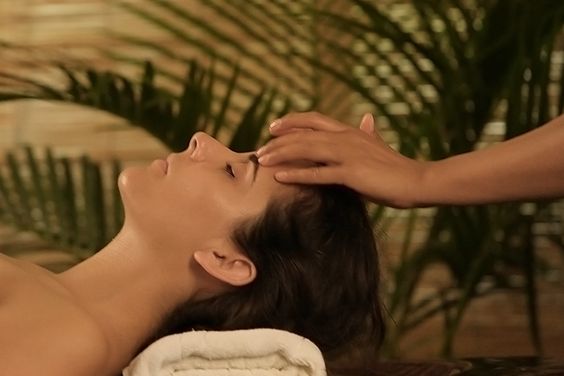
Your practitioner locates the relevant marma points and applies various techniques. Sometimes it's gentle pressure with fingers or thumbs. Other times it's light massage in circular motions. They might use the heel of their hand or palm for certain points. The pressure varies depending on the point's nature and your condition. Some points need only the lightest touch, whilst others can handle firmer pressure.
What does it feel like? That varies. Some points feel pleasant when pressed, creating a sense of relief or release. Others might feel tender or slightly uncomfortable, especially if there's a blockage there. You might feel sensations radiating from the point, warmth, tingling, or even emotional responses. All of this is normal and part of the healing process.
Your practitioner might combine marma point work with other Ayurvedic treatments. Swedana (steam therapy), Abhyanga (oil massage), Pizhichil (warm oil pouring), or Kizhi (herbal bolus treatment) often complement marma therapy. These prepare your body, open channels, and enhance the effects of the marma work.
After the treatment, many people feel deeply relaxed, almost dream-like. Others feel energised and clear. You might be advised to rest, drink warm water, avoid cold or heavy foods, and allow your body time to integrate the work.
Follow-up sessions are usually shorter, around 45 to 60 minutes. How often you need treatments depends on your condition. Acute issues might benefit from weekly sessions initially. Chronic conditions might require regular treatments over several months. Preventative care and wellness maintenance might mean monthly sessions.
Marma Therapy and Self-Care
Whilst professional marma therapy offers the most comprehensive benefits, you can learn basic techniques for self-care. Many practitioners teach clients simple marma point protocols they can use at home between sessions.
Common self-care points include Adhipati (crown of the head) for mental clarity and stress relief, Sthapani (between the eyebrows, the third eye point) for headaches and anxiety, Phana (nostril sides) for sinus issues and breathing, Hridaya (heart centre) for emotional balance, and Nabhi (navel) for digestive health.
The technique for self-care is gentler than professional treatment. You'd typically use warm sesame or coconut oil, apply a small amount to the point, and massage gently in clockwise circles for one to two minutes whilst breathing deeply. The key is regularity and intention, not force.
Morning marma self-care routines, called dinacharya in Ayurveda, can set the tone for your whole day. Five to ten minutes working with key points helps ground your energy, clear your mind, and prepare you for whatever lies ahead.
Marma Therapy's Role in Ayurvedic Medicine
In Ayurveda, marma therapy sits alongside other major treatment modalities like herbal medicine, dietary therapy, Panchakarma (detoxification), yoga, and meditation. It's particularly valued because it works quickly and directly with the body's energy system.
Ayurvedic practitioners often use marma therapy as part of comprehensive treatment plans. If you're seeing an Ayurvedic doctor for a chronic condition, they might prescribe herbs to take internally whilst recommending marma therapy sessions to address energy blockages and enhance the herbs' effectiveness.
Marma therapy also supports Panchakarma, Ayurveda's intensive detoxification and rejuvenation process. Before, during, and after Panchakarma, marma treatments help prepare the body, support the cleansing process, and integrate the changes.
The therapy connects closely with yoga practice as well. Many marma points align with or relate to chakras, the energy centres used in yoga philosophy. Certain yoga asanas (postures) naturally stimulate marma points. Some yoga teachers trained in marma integrate this knowledge into their classes, using specific poses to activate healing points.
Combining Marma Therapy with Other Treatments
Marma therapy plays well with others. It can be safely combined with various complementary therapies to enhance overall effectiveness.
It pairs naturally with other Ayurvedic treatments like herbal medicine, dietary modifications, and yoga therapy. These create a comprehensive approach addressing your constitution and imbalances from multiple angles.
Many people combine marma therapy with acupuncture or acupressure from Traditional Chinese Medicine. Whilst the systems come from different traditions and philosophies, marma points and acupuncture points share some similarities in location and function. They both work with vital energy, though Ayurveda calls it prana and Chinese medicine calls it qi. Using both systems can provide complementary benefits.
Marma therapy also works alongside energy healing modalities like Reiki. Both address the subtle energy body, and their combined effects can be powerful for clearing blockages and restoring balance.
For people undergoing conventional medical treatment, marma therapy can serve as supportive care. If you're dealing with cancer treatment, for instance, marma therapy might help alleviate nausea, fatigue, and pain. It's not replacing medical treatment but supporting your body through it and improving your quality of life.
Always tell your marma therapist about any other treatments you're receiving, whether conventional or complementary. A skilled practitioner will coordinate their approach with your overall care plan.
Safety, Precautions, and Potential Side Effects
Marma therapy is generally safe and non-invasive when performed by qualified practitioners. However, there are some precautions and contraindications to be aware of.
You should avoid marma therapy or work only with an extremely experienced practitioner if you're pregnant, especially during the first trimester. Certain marma points can stimulate contractions or affect the baby. Some points are safe and even beneficial during pregnancy, but this requires specialised knowledge.
People with certain medical conditions need to take care. If you have serious heart conditions, recent surgery, acute infections, severe osteoporosis, or blood clotting disorders, discuss marma therapy with your doctor before proceeding. The therapy might need to be modified or avoided in these cases.
Active cancer requires caution. Whilst marma therapy can support people with cancer, it should be done only by practitioners experienced in working with this population and in coordination with oncology care.
Open wounds, recent fractures, or severe skin conditions in areas where marma points would be worked are contraindications for those specific points. Your practitioner can work around these areas or wait until healing has occurred.
Side effects are usually mild and temporary. Some people experience soreness at marma points after treatment, similar to muscle soreness after massage. This typically resolves within a few hours to a day. Mild bruising can occur if you bruise easily. Dizziness or light-headedness might happen, especially after your first session, as energy shifts and toxins begin releasing. Some people feel emotional during or after treatment as stored emotions surface and release.
These responses are generally part of the healing process, not cause for concern. Your practitioner should prepare you for possible reactions and provide guidance for managing them. If you experience anything that feels concerning or doesn't resolve quickly, contact your practitioner.
Always work with qualified practitioners and disclose all medical conditions, medications, and supplements you're taking. This allows them to tailor treatment safely to your specific situation.

How Marma Therapy Differs from Acupressure
People often ask about the difference between marma therapy and acupressure or acupuncture from Traditional Chinese Medicine. Whilst there are similarities, they're distinct systems rooted in different medical philosophies.
Marma points are specific to Ayurvedic medicine. They're based on Ayurvedic concepts of prana, doshas, and the five elements (earth, water, fire, air, and ether). Acupressure points come from Traditional Chinese Medicine and relate to concepts of qi, meridians, and the balance of yin and yang.
The origins differ too. Marma knowledge emerged from India's battlefield culture and Vedic healing traditions. Acupuncture developed in China with its own distinct history and philosophy. Some researchers have explored whether these systems influenced each other through ancient cultural exchanges, but each represents an independent discovery of vital body points by two great civilisations.
The number of points differs. Classical Ayurveda identifies 107 marma points, though some Kerala traditions work with up to 365 points. Traditional Chinese Medicine uses over 360 acupuncture points along meridians throughout the body.
The treatment approach varies. Marma therapy traditionally uses massage, pressure, and therapeutic oils. It's usually gentler and broader, often preparing tissues with oil massage before working specific points. Acupuncture uses needles inserted into points, whilst acupressure applies pressure without needles.
Both systems are valuable and effective. Some practitioners train in both traditions, appreciating the complementary insights each offers. Neither is superior, they're different lenses for understanding and working with the body's energy system.
Frequently Asked Questions
Is marma therapy safe for everyone?
Marma therapy is generally safe for most people when performed by qualified practitioners. However, it's not suitable for everyone. Pregnant women should consult experienced practitioners who know which points to avoid. People with serious medical conditions like heart disease, recent surgery, acute infections, severe osteoporosis, or blood clotting disorders should get medical clearance first. Children, elderly people, and those with compromised immune systems can receive marma therapy but might need gentler approaches. Always disclose your complete health history to your practitioner so they can adapt treatment safely to your needs.
How long does it take to see results?
This varies based on what you're addressing and how long you've had the condition. Some people experience immediate relief from issues like headaches, stress, or acute pain. Others notice gradual improvements over several sessions. Chronic conditions that have developed over years typically require consistent treatment over weeks or months. Your practitioner should give you a realistic timeline based on your specific situation. Remember that marma therapy works holistically, so you might notice unexpected benefits alongside improvements in your main concern.
Can I learn to perform marma therapy on myself?
Yes, you can learn basic marma self-care techniques, though professional training is necessary to work with others or address complex conditions. Many practitioners teach clients simple protocols for home use between sessions. These might include specific points for headaches, stress relief, digestive support, or better sleep. Self-care involves gentler techniques, usually light massage with warm oil on key accessible points. It's a wonderful daily practice for maintaining balance and preventing problems. However, professional treatment reaches deeper and accesses points you can't easily work on yourself.
How much does a marma therapy session typically cost in Australia?
In Australia, marma therapy sessions typically range from $100 to $180 for initial consultations and $80 to $150 for follow-up sessions, depending on the practitioner's experience, qualifications, and location. Sessions that include extensive oil massage or additional Ayurvedic treatments might cost more. Some practitioners offer package deals for multiple sessions, which can reduce the per-session cost. Check whether your private health insurance provides rebates under remedial massage or other natural therapies categories. Coverage varies between funds and policies, so it's worth investigating your specific situation.
What qualifications should a marma therapy practitioner have?
Look for practitioners with formal training in Ayurvedic medicine or specific marma therapy certification programmes. In Australia, qualified practitioners often hold degrees or diplomas in Ayurvedic medicine from recognised institutions, or they've completed specialised marma training through reputable programmes. Some have additional qualifications in massage therapy, acupuncture, or other healing modalities. Membership in professional organisations like the Australasian Association of Ayurveda (AAA) or the Australian Traditional Medicine Society (ATMS) indicates adherence to professional standards. Ask potential practitioners about their training, how long they've been practising, what continuing education they pursue, and whether they have experience with conditions similar to yours. A qualified practitioner should be transparent about their credentials and happy to answer your questions.
How do I choose a good marma therapy practitioner?
Start by checking credentials and training. Ask about their specific marma therapy education and their broader background in Ayurveda or complementary medicine. Experience matters, particularly if you're dealing with complex or chronic conditions. Ask how long they've been practising and whether they've worked with issues like yours. During an initial consultation or phone call, pay attention to how they communicate. Do they listen carefully? Do they explain things clearly? Do you feel comfortable asking questions? Trust your instincts about the therapeutic relationship. You need to work with someone you feel safe being vulnerable with. Look for online reviews or testimonials if available, though recognise that absence of online reviews doesn't mean a practitioner isn't good, especially older practitioners. Consider practical factors like location, availability, session costs, and whether they offer in-person or online consultations. Bodhi Holistic Hub provides carefully vetted and verified marma therapy practitioners, giving you confidence you're working with qualified professionals. You can browse practitioner profiles, learn about their experience and approach, and book sessions directly through the platform.
Can marma therapy help with emotional or psychological issues?
Yes, marma therapy can be remarkably effective for emotional and psychological concerns. The mind-body connection in Ayurveda means that emotional issues often involve energetic blockages and doshic imbalances that marma therapy can address. People commonly report reduced anxiety, better emotional regulation, release of stored trauma, improved mental clarity, and a greater sense of peace after marma treatments. Specific marma points influence the nervous system, hormone production, and brain chemistry in ways that support emotional wellbeing. However, marma therapy shouldn't replace mental health treatment if you're dealing with serious conditions like major depression, PTSD, or other psychiatric diagnoses. It works best as a complement to appropriate professional mental health care.
How does marma therapy differ from regular massage?
Whilst both involve touch, they work quite differently. Regular massage typically focuses on muscles, using techniques like kneading and stroking to release tension and improve circulation across broad areas. Marma therapy specifically targets the 107 vital energy points where life force concentrates. It's more precise and energetically focused. Marma treatments often use warm medicated oils chosen for their therapeutic properties and your doshic type. The pressure and techniques vary depending on which points are being worked and what needs balancing. Marma therapy addresses energy flow and doshic balance, not just physical tension. That said, marma treatments often include preparatory massage to relax tissues before working the points, combining elements of both approaches.
References and Further Reading
Professional Organisations
- Australasian Association of Ayurveda (AAA)
- Australian Traditional Medicine Society (ATMS)
- National Ayurvedic Medical Association (NAMA)
- Australian Natural Therapies Association (ANTA)
Research and Scientific Foundation
- National Institute of Complementary Medicine (NICM Health Research Institute)
- PubMed Central (PMC) - Marma Research
- The Ayurvedic Institute (USA)
Educational Resources
- "Marma Points of Ayurveda" by Dr. Vasant Lad and Anisha Durve
- "The Ayurvedic Guide to Diet & Weight Loss" by Scott Gerson
- "Ayurveda: The Science of Self-Healing" by Dr. Vasant Lad
- Sushruta Samhita
Related Modalities
- Ayurvedic Medicine – Comprehensive traditional Indian healing system addressing body, mind, and spirit through diet, herbs, lifestyle, and therapeutic practices.
- Acupuncture – Traditional Chinese Medicine techniques working with energy points along meridians to restore balance and health.
- Panchakarma – Ayurvedic detoxification and rejuvenation programme that incorporates marma therapy for enhanced effectiveness.
- Yoga Therapy – Therapeutic application of yoga practices, which shares philosophical foundations with marma therapy and works with similar energy concepts.
- Reiki and Energy Healing – Energy-based healing modalities that complement marma therapy's work with the subtle body.
This guide was written by the Bodhi Holistic Hub team according to their editorial policy.
"Unlocking the secrets of marma points unlocks the door to holistic healing."
Unknown
Discover our vetted practitioners