Natural Medicine
Naturopathy
What Is Naturopathy?
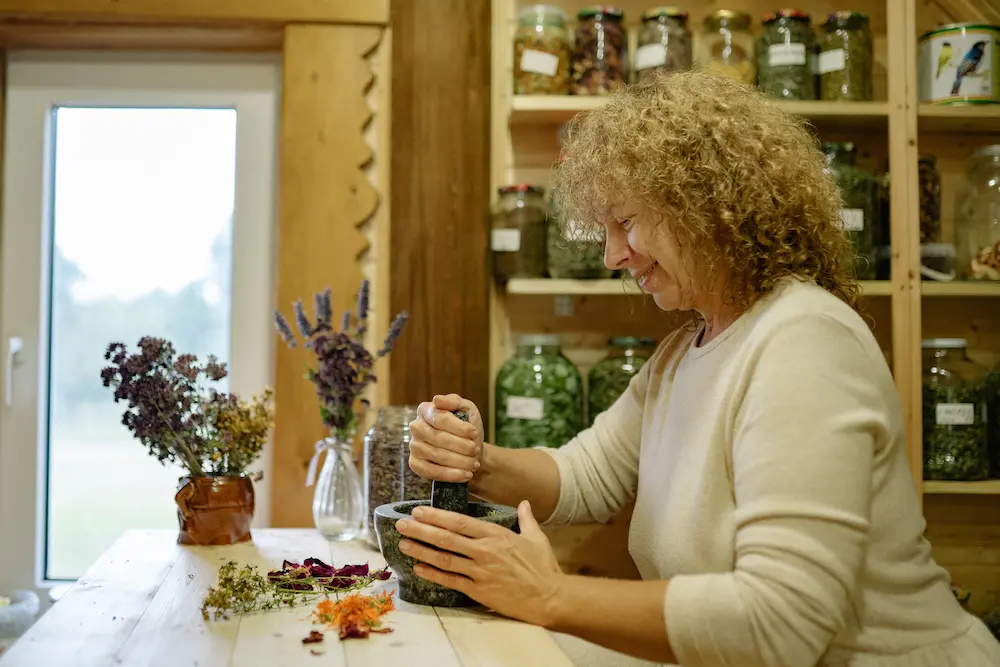
Naturopathy is complementary medicine that treats your whole body using natural remedies to help you heal. Instead of just masking symptoms, naturopaths dig into what's actually causing your health problems in the first place.
When you see a naturopath, they're not looking at your thyroid in isolation or your skin as a separate issue. They're asking: what's going on in your entire system that's creating these symptoms? This approach pulls from multiple disciplines including herbal medicine, nutritional counselling, lifestyle changes, and various complementary treatments.
This method works particularly well for conditions like anxiety, acne, fertility strugglbes, women's health concerns, PCOS, thyroid disorders, endometriosis, eczema, pregnancy support, weight management, fibromyalgia, ADHD, and autoimmune diseases. Naturopaths focus on prevention and optimal health, so they often work alongside conventional doctors to give you comprehensive care.
Where Naturopathy Comes From
Naturopathy's roots stretch back to ancient Greece and Hippocrates, often called the father of modern medicine. Hippocrates emphasised nature's healing power and treating the whole person, not just the disease. His famous phrase "let food be the medicine" still guides naturopathic practice today.
The modern version we know originated in the United States during the 19th century. Benedict Lust, a German immigrant, brought natural healing principles to America and established the first naturopathy school in New York in 1901. The movement grew rapidly in the early 1900s, then declined as pharmaceutical medicine took over.
Since the 1970s, naturopathy has made a strong comeback. People wanted alternatives to just taking pills for everything. The principles spread globally, and naturopathy is now particularly well-established in Australia, where practitioners must complete rigorous four-year degree programmes to practise.
The Six Principles Guiding Naturopathy
Six core principles guide everything naturopaths do. These principles recognise that your body knows how to heal itself when given the right support.
The Healing Power of Nature means your body has an inherent ability to maintain and restore health. Naturopaths support and stimulate this natural process rather than suppressing symptoms. When you cut your finger, your body heals it. That same intelligence exists throughout your entire system.
Identify and Treat the Root Cause means looking past symptoms to discover what's creating the imbalance. You keep getting headaches? Rather than just taking painkillers every time, let's work out why they're happening. Is it dehydration, blood sugar crashes, tension in your neck, food sensitivities, hormonal shifts? Treat the cause, and the headaches often disappear.
First, Do No Harm guides practitioners to use the least invasive treatments possible. Naturopaths choose therapies that minimise side effects and support your body's natural healing. Start gentle, go deeper only if needed.
Treat the Whole Person acknowledges that your physical, mental, emotional, and spiritual health are all connected. You can't separate them. Stress affects your digestion. Gut problems affect your mood. Naturopaths consider all these aspects when creating your treatment plan.
The Naturopath as Teacher emphasises education and empowerment. Your naturopath isn't just telling you what to do. They're teaching you about your health, helping you understand what's happening in your body, giving you knowledge you'll use for life.
Prevention Is the Best Cure focuses on stopping illness before it starts. Your naturopath helps you identify risk factors and build healthy habits that protect your long-term wellbeing. This is vastly more effective than waiting until you're really sick and then trying to fix it.

How Naturopathy Actually Works
Naturopaths create an environment that supports your body's natural healing. They use various therapies depending on your needs and their areas of expertise. This might include herbal medicine, Bach Flower Remedies, massage, acupuncture, exercise programmes, and detailed nutritional counselling.
Some naturopaths incorporate hands-on therapies like massage and acupressure to create balance in your body. Others use breathwork or Reiki alongside more traditional naturopathic treatments. The specific combination depends on what you need and what your practitioner specialises in.
Your naturopath develops a personalised health plan addressing your unique circumstances. This plan might include dietary changes, supplements, herbal remedies, lifestyle modifications, stress management techniques, and complementary therapies. The goal is always supporting your body's innate healing capacity whilst addressing root causes.
What Naturopathy Can Help With
Naturopathy helps with a wide range of health conditions. Common concerns include allergies, headaches and migraines, fertility issues, menopause symptoms, digestive problems, weight management, hormonal imbalances, chronic pain, chronic fatigue syndrome, sleep disorders, and degenerative illnesses like arthritis.
Many people also see naturopaths for preventative care when they don't have a specific problem. They just want to optimise their energy, strengthen their immune system, or maintain good health as they age. This proactive approach often prevents problems from developing in the first place.
Naturopathic treatments work well alongside conventional medical care. Your naturopath can collaborate with your GP and other healthcare providers to ensure you're getting comprehensive, integrated support.
What Happens in a Naturopathy Session
Your first session typically runs 60 to 90 minutes. This extended time lets your practitioner really understand what's going on with your health.
Your naturopath will ask detailed questions about your health history, current symptoms, stress levels, sleep patterns, diet, exercise habits, relationships, work life, and more. They want the full picture, not just what's bothering you right now. This comprehensive view helps them spot contributing factors you might not have connected to your health concerns.
They might also do a physical examination and order laboratory tests, stool tests, or other diagnostic assessments. These tests can reveal nutritional deficiencies, hormonal imbalances, digestive issues, or underlying concerns that aren't obvious from symptoms alone.
Once they've thoroughly assessed your situation, your naturopath creates a personalised health plan tailored specifically to you. This might include dietary recommendations, herbal or nutritional supplements, lifestyle changes, stress management strategies, and complementary therapies.
Follow-up sessions typically run 30 to 60 minutes. You'll review your progress and adjust the plan as needed. How often you meet depends on your situation. Many people see their naturopath every four to six weeks initially, then less frequently as their health improves.
Why Work with a Naturopath
People who see naturopaths often experience improved overall health and wellbeing. Because naturopathic treatment addresses root causes rather than just symptoms, many people find they need fewer medications over time.
Naturopathic care is highly individualised. Your treatment plan is designed specifically for your body, your circumstances, your lifestyle. Not a generic protocol applied to everyone with similar symptoms. This personalised attention means you get care that genuinely suits your unique needs.
Naturopathic therapies help restore balance and enhance your body's natural healing processes. This often leads to improvements not just in your specific health concern, but in your overall vitality, energy levels, sleep quality, and sense of wellbeing.
The emphasis on prevention and education means you gain knowledge and tools for maintaining your health long-term. You're not staying dependent on a practitioner forever. You're learning how to support your own health through informed lifestyle choices.

Are Naturopaths Doctors?
Naturopaths aren't medical doctors. They don't prescribe pharmaceutical medications or perform surgery. But they are highly trained healthcare professionals who use natural remedies and complementary therapies to help you achieve optimal health.
In Australia, naturopaths complete a four-year bachelor's degree that includes extensive training in anatomy, physiology, pathology, nutrition, herbal medicine, and clinical practice. Many pursue additional postgraduate qualifications in specialised areas.
Reputable Australian naturopaths are registered with professional associations like the Australian Naturopathic Practitioners' Association (ANPA) or the Naturopaths & Herbalists Association of Australia (NHAA). These memberships indicate they've met educational standards and follow professional ethics.
Naturopaths work in private practice or in healthcare settings alongside other medical professionals. Many collaborate closely with GPs, specialists, and allied health practitioners to provide integrated care.
Frequently Asked Questions
What's the difference between a naturopath and a nutritionist?
Both work with food and nutrition, but naturopaths have a broader scope. Naturopaths are trained in herbal medicine, supplementation, lifestyle counselling, and various complementary therapies alongside nutrition. They take a whole-person approach considering physical, mental, and emotional factors.
Nutritionists typically focus specifically on dietary advice and meal planning. That said, there's overlap between these professions. Some practitioners hold qualifications in both areas. If you're mainly concerned with what you're eating, either might suit you. If you want a broader approach to your health, a naturopath makes more sense.
How long before I'll see results from naturopathic treatment?
This varies significantly depending on what you're dealing with and how long you've had it. Some people notice improvements in energy, sleep, or digestion within a few weeks.
Chronic conditions that have developed over years typically take longer to address, often several months of consistent treatment. Your body didn't get out of balance overnight, and it won't rebalance overnight either. Your naturopath should give you a realistic timeline during your initial consultation based on your specific situation.
Can I see a naturopath if I'm taking prescription medications?
Absolutely. In fact, you must tell your naturopath about all medications and supplements you're taking. This lets them ensure their recommendations won't interact with your prescriptions. Many naturopaths work collaboratively with GPs to provide integrated care.
However, never stop or change your medications without consulting the doctor who prescribed them. Your naturopath and doctor should be working together to support your health, not contradicting each other.
Is naturopathy safe during pregnancy?
Many pregnant women seek naturopathic care for support during pregnancy and preparation for birth. However, not all natural remedies are safe during pregnancy. Some herbs and supplements can cause problems for you or your baby.
You must work with a naturopath who has specific training and experience in pregnancy care. They'll know which herbs, supplements, and treatments are safe during each stage of pregnancy. Always tell both your naturopath and your obstetrician or midwife about any treatments you're receiving. They need to know the full picture.
How much does a naturopathy session typically cost in Australia?
Initial consultations typically cost between $120 and $250, depending on the practitioner's experience, location, and session length. Follow-up appointments usually range from $80 to $150.
These fees generally don't include supplements, herbs, or laboratory tests, which are additional costs. Your naturopath should be upfront about these potential expenses during your first session.
Some private health insurance funds provide rebates for naturopathy under their extras cover. Check your policy. Many naturopaths also offer package deals for multiple sessions, which reduces the overall cost.
How do I choose a good naturopath?
Start by checking credentials. Your potential naturopath should be licensed and accredited by a reputable organisation like the Australian Naturopathic Practitioners' Association (ANPA) or the Naturopaths & Herbalists Association of Australia (NHAA). This ensures they've completed rigorous education and training and follow professional standards.
Ask about their experience and areas of expertise, particularly if you've got a specific health concern. How long have they been practising? Have they worked with conditions similar to yours? What's their success rate?
Evaluate their communication style during an initial consultation or phone call. A good naturopath listens carefully to your concerns, explains their approach clearly, and answers your questions in ways you can understand. They should be willing to work collaboratively with your other healthcare providers if needed.
Look for online reviews or ask friends or family members who've seen a naturopath they trust. Word-of-mouth recommendations are valuable because they come from people who've actually experienced the care.
Consider practical factors like cost, location, and whether they offer online or in-person sessions. The best naturopath in the world won't help you if you can't afford them or can't get to appointments.
Bodhi Holistic Hub provides carefully vetted and verified naturopaths who meet high standards of education, training, and professionalism. You can filter by location, specialisation, and other criteria to find someone who fits your specific needs. Each practitioner profile includes their education, experience, areas of expertise, and client reviews, making it easier to compare options and choose the right naturopath.
Do I need a referral to see a naturopath?
No, you don't need a referral in Australia. You can book an appointment directly. However, if you're claiming through private health insurance, check whether your fund requires any documentation.
Some people choose to tell their GP they're seeing a naturopath to ensure coordinated care, particularly if they're managing chronic health conditions. Your GP and naturopath working together often gives you the best outcomes.
References and Further Reading
Professional Organisations
- Australian Naturopathic Practitioners' Association (ANPA)
- Naturopaths & Herbalists Association of Australia (NHAA)
- Australian Traditional Medicine Society (ATMS)
- Australian Register of Naturopaths and Herbalists (ARONAH)
Research and Scientific Foundation
- National Institute of Complementary Medicine (NICM Health Research Institute)
- The Australasian College of Nutritional and Environmental Medicine (ACNEM)
- Office of Dietary Supplements, National Institutes of Health
Educational Resources
- "Naturopathic Medicine: Treating the Whole Person" by Roger Newman Turner
- "Clinical Naturopathy: An Evidence-Based Guide to Practice" edited by Jerome Sarris and Jon Wardle
- "Herbal Medicine: Biomolecular and Clinical Aspects" edited by Iris F. F. Benzie and Sissi Wachtel-Galor
Related Modalities
- Herbal Medicine – The therapeutic use of plants and plant extracts to prevent and treat health conditions.
- Nutritional Medicine – Evidence-based approach using food and nutritional supplements to support health and manage disease.
- Traditional Chinese Medicine – Ancient healing system using acupuncture, herbal medicine, and lifestyle practices.
- Homeopathy – System of natural medicine based on the principle of "like cures like" using highly diluted substances.
- Holistic Health Coaching – Personalised guidance supporting lifestyle changes, stress management, and whole-person wellness.
Related Articles
Understanding Metabolic Health: Your Body’s Personal Wellness Map, Understanding metabolic health through a naturopathic lens - Tasha Andric
A Naturopath’s Guide to Fertility: Nourish, Balance, Thrive, A naturopath's approach to fertility - Chrissie Alexander
Unlocking Fertility: A Naturopath Guide to Preconception Health and Wellness, Naturopathic strategies for preconception health - Lizzie Stow
Could Naturopathy be the answer to Anxiety? Exploring the benefits of Naturopathy for Anxiety - Yoshimi Hofmann
The Natural Approach to Iron Deficiency, A naturopath's tips for managing iron deficiency - Sulin Sze
Holistic Approach to Perimenopause, Navigating perimenopause naturally - Chrissie Alexander
How fasting & detoxification can help you take control of your health, How fasting supports your body's innate healing - Saxon Fischer-Gray
This guide was written by the Bodhi Holistic Hub team according to their editorial policy.
Last Updated : May 2026
"Let food be thy medicine and let medicine be thy food"
Hippocrates
Discover our vetted practitioners
Hannah Forest Moore
View Profile
Melisa Byrne
View Profile
Kerryn Rayner
View Profile
Elizabeth Stow
View Profile
Jenetta Haim
View Profile