Natural Medicine
Aromatherapy
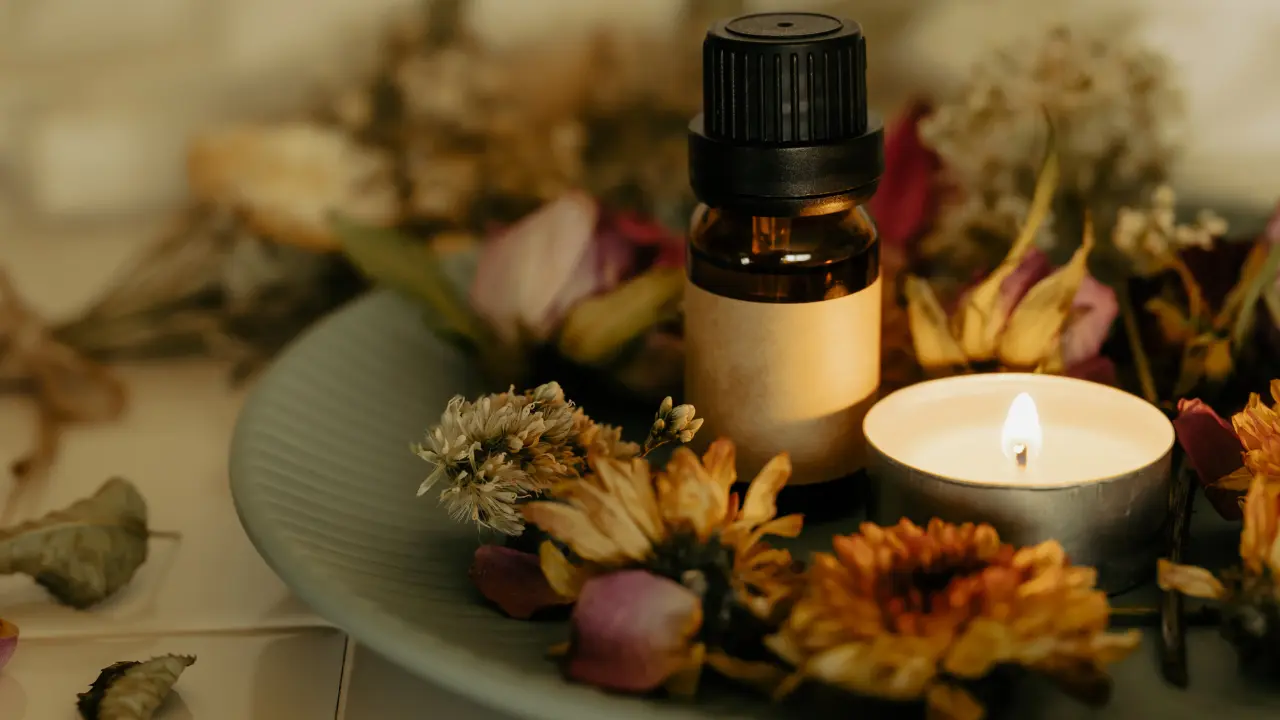
What Is Aromatherapy?
Last Updated: Dec 2025
Aromatherapy is a holistic healing practice that uses aromatic essential oils extracted from plants to support physical, emotional, and mental wellbeing. When you breathe in the scent of lavender and feel yourself relax, or catch the smell of peppermint and suddenly feel more alert, you're experiencing aromatherapy's effects firsthand.
Essential oils are highly concentrated plant extracts that capture the essence, fragrance, and therapeutic properties of flowers, leaves, bark, roots, seeds, and resins. These aren't just pleasant smells. Each essential oil contains specific chemical compounds that interact with your body and mind in measurable ways. Lavender oil, for instance, contains linalool and linalyl acetate, compounds that have been shown to reduce anxiety and promote relaxation.
When you use aromatherapy, you're typically inhaling these aromatic compounds through diffusion, direct inhalation, or steam, or you're applying diluted oils topically to your skin where they're absorbed into your bloodstream. Some practitioners also incorporate essential oils into massage, baths, or compress treatments.
Aromatherapy works on multiple levels simultaneously. The scent molecules travel through your nose to your olfactory system, which connects directly to your limbic system, the part of your brain that processes emotions, memories, and physiological responses like heart rate and blood pressure. This explains why certain scents can instantly trigger memories or shift your mood. Meanwhile, when applied to your skin, essential oils penetrate into your tissues and bloodstream, delivering their chemical constituents throughout your body.
People use aromatherapy for stress relief and relaxation, pain management, improved sleep quality, enhanced mood and emotional balance, respiratory support, skin care and healing, digestive comfort, immune system support, and cognitive function and focus. It's used both as a standalone therapy and as a complement to conventional medical care and other holistic practices.
The Ancient Roots of Aromatherapy
Aromatherapy's history stretches back thousands of years. Humans have always recognised that plants possess healing powers, and aromatic plants held special significance across ancient civilizations.
The ancient Egyptians were perhaps the most sophisticated early users of aromatic plants. They used essential oils in religious ceremonies, embalming practices, cosmetics, and medicine. Hieroglyphics from around 4500 BCE show the distillation of cedarwood oil. Egyptian priests burned frankincense and myrrh in temples, whilst Cleopatra famously used essential oils in her beauty regimes. The Ebers Papyrus, dating to 1550 BCE, contains over 800 herbal remedies using aromatic plants.
In ancient China, aromatic herbs played a central role in Traditional Chinese Medicine. The Yellow Emperor's Classic of Internal Medicine, written around 2650 BCE, documents the use of aromatic plants for healing. Chinese medicine recognised that different scents affected different organ systems and energy pathways in the body.
Ancient Indian Ayurvedic texts from around 3000 BCE describe the use of aromatic plants for healing and spiritual practice. Sandalwood, jasmine, and rose featured prominently in both medicine and meditation practices.
The ancient Greeks built on Egyptian knowledge. Hippocrates, often called the father of modern medicine, advocated daily aromatic baths and scented massage for health. Greek physician Dioscorides wrote De Materia Medica around 60 CE, documenting hundreds of aromatic plants and their medicinal uses. This text remained a medical reference for over 1,500 years.
The Romans adopted and spread aromatic medicine throughout their empire. They used essential oils extensively in public baths, massage, and perfumes. Roman soldiers carried myrrh to treat wounds on the battlefield.
During the Middle Ages in Europe, aromatic plants helped fight plagues and infections. People burned aromatic woods and herbs believing they purified the air. They weren't entirely wrong. Many essential oils do have antimicrobial properties.
The term "aromatherapy" itself is surprisingly modern. French chemist René-Maurice Gattefossé coined it in 1937 after discovering lavender oil's healing properties by accident. He severely burned his hand in a laboratory explosion and plunged it into the nearest liquid, which happened to be lavender essential oil. His hand healed remarkably quickly with minimal scarring. Fascinated, Gattefossé spent years researching essential oils' therapeutic properties and published his findings in a book called "Aromathérapie."
During World War II, French army surgeon Dr. Jean Valnet used essential oils to treat wounded soldiers when antibiotics ran short. He found them remarkably effective for preventing infection and promoting healing. His work helped establish aromatherapy as a legitimate medical practice in France.
The modern aromatherapy movement gained momentum in the 1980s and 1990s as people sought natural, holistic approaches to health. Today, aromatherapy is practised worldwide, backed by growing scientific research whilst maintaining its ancient roots.
How Aromatherapy Works: The Science and Mechanisms
Understanding how aromatherapy works requires looking at both the olfactory pathway and topical absorption, as these create different effects.
When you inhale essential oils, scent molecules enter your nose and bind to olfactory receptors in the olfactory epithelium, a small patch of tissue at the top of your nasal cavity. These receptors send signals directly to your olfactory bulb, which connects to your limbic system. This is significant because the limbic system controls emotions, memories, learning, appetite, and several autonomic responses like heart rate, blood pressure, breathing, and stress levels.
This direct pathway explains aromatherapy's powerful emotional and psychological effects. The limbic system doesn't process information logically like your conscious mind does. It responds immediately and instinctively. That's why a particular scent can instantly trigger a memory or emotion before you've even consciously identified what you're smelling.
The limbic system also controls the release of neurotransmitters and hormones. Certain essential oils can stimulate the release of serotonin (which helps regulate mood, sleep, and appetite), dopamine (associated with pleasure and motivation), endorphins (natural pain relievers), and regulate cortisol (your main stress hormone). This isn't just psychological. These are measurable chemical changes in your body.
When you apply essential oils topically, the small molecular structure of these compounds allows them to penetrate your skin. They pass through the skin's outer layer, into deeper tissue, and eventually into your bloodstream. From there, they circulate throughout your body, interacting with various systems and organs.
Different essential oils contain different chemical constituents that create specific effects. For instance, menthol in peppermint oil has a cooling effect and can help relieve muscle pain. Eucalyptol in eucalyptol oil has expectorant properties that help clear respiratory congestion. Chamazulene in chamomile oil has anti-inflammatory properties.
Many essential oils also have demonstrated antimicrobial properties. Tea tree oil, for example, has been shown to kill certain bacteria, viruses, and fungi. This validates the historical use of aromatic plants to prevent and treat infections.
Research using brain imaging has shown that inhaling certain essential oils creates measurable changes in brain wave patterns. Lavender increases alpha and theta brain waves associated with relaxation. Rosemary increases beta waves associated with alertness and focus.
It's worth noting that whilst aromatherapy can create real physiological changes, it's not a cure-all. The effects tend to be supportive and regulatory rather than dramatic interventions. Aromatherapy works best as part of a comprehensive approach to wellbeing, not as a replacement for necessary medical care.

Common Essential Oils and Their Properties
Hundreds of essential oils exist, each with its own therapeutic profile. Here are some of the most commonly used ones and what they're known for.
Lavender is perhaps the most versatile and well-researched essential oil. It's primarily known for promoting relaxation, reducing anxiety, and improving sleep quality. Research supports these traditional uses. Lavender also has anti-inflammatory and antimicrobial properties, making it useful for minor burns, cuts, and skin irritations. Many people keep lavender oil as their first essential oil because it's gentle, effective, and has such a wide range of applications.
Peppermint oil is energising and clarifying. The menthol it contains creates a cooling sensation and helps relieve muscle tension, headaches, and digestive discomfort. Inhaling peppermint can improve focus and mental clarity. It's also effective for relieving nausea and supporting respiratory health. However, peppermint is potent and can irritate sensitive skin, so it needs proper dilution.
Tea tree oil is primarily valued for its powerful antimicrobial properties. It's effective against bacteria, viruses, and fungi, making it useful for treating acne, fungal infections, and minor wounds. Australian Aboriginal peoples used tea tree leaves for healing wounds and skin conditions for thousands of years. Modern research has validated many of these traditional uses.
Eucalyptus oil is well-known for respiratory support. It helps clear congestion, supports healthy breathing, and can ease coughs and colds. The compound eucalyptol (also called cineole) has expectorant and anti-inflammatory properties. Eucalyptus is also used for muscle pain and as an insect repellent.
Chamomile oil, particularly Roman and German chamomile, is deeply calming and anti-inflammatory. It's gentle enough for children and sensitive skin. People use it for anxiety, sleep problems, skin irritation, digestive upset, and menstrual discomfort. Chamomile has been used medicinally for thousands of years across multiple cultures.
Frankincense has a rich, woody, slightly sweet aroma that many people find grounding and meditative. It's been used in spiritual practices for millennia. Therapeutically, frankincense supports healthy immune function, reduces inflammation, and may support cellular health. Some research suggests it has anti-anxiety properties as well.
Lemon oil is uplifting, refreshing, and purifying. It's commonly used in natural cleaning products because of its antimicrobial properties and fresh scent. Lemon oil can boost mood, increase mental clarity, and support immune function. Like all citrus oils, it can cause photosensitivity, meaning it can make your skin more sensitive to sunlight, so avoid sun exposure after topical application.
Rosemary oil is stimulating and clarifying. It's traditionally used to improve memory and concentration, and some research supports this. Rosemary also helps relieve muscle pain, supports circulation, and may promote hair growth. It has a strong, herbaceous scent that most people find energising.
Ylang ylang has a sweet, exotic floral scent. It's primarily used for emotional balance, reducing stress and anxiety, and promoting feelings of joy and ease. Some people use it to support healthy blood pressure and heart function. The scent can be quite strong, so a little goes a long way.
Bergamot is a citrus oil with a unique, slightly floral quality. It's mood-lifting and anxiety-reducing. Research has shown bergamot can lower cortisol levels and reduce stress responses. It's commonly used for depression, stress, and insomnia. Like other citrus oils, it's phototoxic.
What to Expect in an Aromatherapy Session
A professional aromatherapy session typically lasts 60 to 90 minutes and often combines aromatic consultation with therapeutic treatment.
Your practitioner will start with a detailed consultation. They'll ask about your health history, current concerns, medications you're taking, any allergies, stress levels, sleep quality, emotional state, and what you're hoping to achieve. This conversation helps them select appropriate essential oils and delivery methods for your specific needs.
Aromatherapists often work intuitively as well as clinically. They might have you smell several oils and notice your response. Your body often knows what it needs. If you're naturally drawn to a particular scent, there's often a reason.
Once your practitioner has selected oils, the treatment portion begins. This varies depending on the practitioner's training and your needs. Many aromatherapy sessions involve massage using diluted essential oils. The combination of therapeutic touch and aromatic compounds creates powerful relaxation and healing effects. Your practitioner blends specific essential oils in a carrier oil like sweet almond, jojoba, or coconut oil, then uses massage techniques to apply this blend to your body.
Some sessions focus more on inhalation. Your practitioner might use a diffuser to disperse oils into the air, create a personal inhaler for you, or guide you through steam inhalation using a bowl of hot water with essential oils added.
Other treatments might include aromatic baths where oils are added to warm water, compresses where cloths soaked in aromatic water are applied to specific body areas, or facial treatments using oils appropriate for skin care.
Throughout the session, you'll likely notice shifts in how you feel. The scents themselves create immediate responses. Relaxing oils like lavender or chamomile often make you feel calmer within minutes. Energising oils like peppermint or rosemary can increase your alertness. Combined with massage or other hands-on work, these effects deepen.
After your session, your practitioner might send you home with a custom blend to continue using or recommend specific oils and application methods for home care. They'll also provide guidance about dilution rates, safety considerations, and how often to use your oils.
The number of sessions you might need varies widely. Some people book aromatherapy sessions regularly for stress management and self-care, perhaps monthly or quarterly. Others seek aromatherapy for specific concerns and work with a practitioner for several sessions until the issue improves.
Using Aromatherapy at Home
You don't need professional sessions to benefit from aromatherapy. Many people incorporate essential oils into their daily self-care routines in simple, effective ways.
Diffusion is one of the easiest methods. An ultrasonic diffuser disperses essential oil molecules into the air as a fine mist. You add water and a few drops of essential oil, turn it on, and within minutes your room fills with therapeutic aroma. Different oils create different atmospheres. Lavender in your bedroom promotes restful sleep. Peppermint and rosemary in your office enhance focus. Eucalyptus in your living room during cold season supports respiratory health.
Direct inhalation is even simpler. Place a drop or two of essential oil on a tissue or cotton ball and breathe it in for a few minutes. This method is perfect when you need quick relief from stress, nausea, or lack of focus. You can also cup your hands, add a drop of oil, rub your hands together, and breathe in the scent.
Personal inhalers are small tubes containing a wick saturated with essential oils. You carry it with you and inhale whenever needed. These are brilliant for managing anxiety, motion sickness, or respiratory issues throughout your day.
Aromatic baths combine the therapeutic effects of essential oils with warm water's relaxing properties. Add 5 to 10 drops of essential oil mixed with a carrier oil or a dispersant like Epsom salts to your bath. The warmth helps the oils penetrate your skin whilst you breathe in the aromatic steam. Don't add essential oils directly to bath water without mixing them first, as undiluted oils can irritate your skin.
Topical application requires proper dilution. Essential oils are extremely concentrated and can irritate or burn skin when used undiluted. The general guideline is 2 to 3 drops of essential oil per teaspoon of carrier oil for adults. For children, elderly people, or those with sensitive skin, use even less. Common carrier oils include sweet almond oil, jojoba oil, coconut oil, grapeseed oil, and olive oil.
You might create a massage oil for muscle tension, a roller ball blend for headaches, a facial serum for skin care, or a blend for pulse points to manage stress throughout your day. Apply diluted oils to areas like your wrists, temples, chest, or soles of your feet.
Aromatic compresses work well for localised issues like muscle pain or skin problems. Add a few drops of essential oil to a bowl of warm or cool water, soak a clean cloth, wring it out, and apply to the affected area.
Room and linen sprays let you refresh your environment with therapeutic scents. Mix essential oils with water in a spray bottle (adding a small amount of witch hazel or vodka helps oils mix with water) and spray on linens, curtains, or into the air.
Many people also make their own cleaning products with essential oils. Lemon, tea tree, and eucalyptus oils add antimicrobial properties and pleasant scents to natural cleaners.
Safety Considerations and Proper Use
Essential oils are powerful, and using them safely requires knowledge and care. These aren't harmless just because they're natural. Improper use can cause skin irritation, allergic reactions, or more serious problems.
Always dilute essential oils before applying to skin. The only exceptions are lavender and tea tree, which some people apply neat (undiluted) to small areas for specific issues, but even these should generally be diluted, especially for beginners or those with sensitive skin.
Conduct a patch test before using a new essential oil. Apply a drop of diluted oil to the inside of your elbow and wait 24 hours to check for any reaction. If you notice redness, itching, or irritation, don't use that oil.
Some essential oils are phototoxic, meaning they make your skin more sensitive to sunlight and can cause severe burns or discolouration. Citrus oils like lemon, lime, bergamot, and grapefruit are the main culprits. Avoid sun exposure for at least 12 to 24 hours after applying phototoxic oils to your skin.
Never ingest essential oils unless working with a qualified aromatherapist or healthcare practitioner trained in internal use. Essential oils are extremely concentrated, and internal use carries risks. What you read online about putting oils in your water or taking them in capsules can be dangerous without proper guidance.
Pregnancy and breastfeeding require extra caution. Some essential oils are considered safe during pregnancy, whilst others should be avoided. Generally, avoid essential oils during the first trimester. After that, use only pregnancy-safe oils in lower dilutions. Safe options typically include lavender, chamomile, and ylang ylang, but always consult with a qualified aromatherapist or your healthcare provider first.
Children have more sensitive skin and developing systems. Use much lower dilutions for children. For babies under three months, avoid essential oils entirely except under professional guidance. For children older than three months, use quarter strength dilutions (one drop of essential oil per four teaspoons of carrier oil).
Some essential oils can trigger seizures in people with epilepsy. These include rosemary, eucalyptus, sage, and fennel. If you have epilepsy, work with a qualified aromatherapist who understands these contraindications.
People with asthma or respiratory conditions should be careful with strong oils and always ensure good ventilation when diffusing. Some people find that certain strong scents trigger breathing difficulties.
Essential oils can interact with medications. If you're taking prescription medications, particularly blood thinners or medications for blood pressure, consult your doctor before using essential oils therapeutically.
Quality matters enormously. Buy essential oils from reputable suppliers who provide the botanical name, country of origin, extraction method, and ideally batch-specific testing information. Pure essential oils aren't cheap. If you find oils that seem unusually inexpensive, they're likely diluted, synthetic, or poor quality.
Store essential oils properly. Keep them in dark glass bottles away from heat and light. Most essential oils last one to two years if stored properly, though citrus oils have a shorter shelf life of around six to twelve months.

Aromatherapy and Other Complementary Practices
Aromatherapy combines beautifully with many other holistic practices, creating synergistic effects.
Massage therapy and aromatherapy are natural partners. Aromatherapy massage combines the therapeutic effects of touch with the properties of essential oils. The massage helps the oils penetrate into tissues whilst the oils enhance the massage's relaxing or therapeutic effects. Many massage therapists incorporate aromatherapy into their practice.
Yoga and aromatherapy complement each other perfectly. Diffusing calming oils like lavender or frankincense during yoga creates a more meditative atmosphere. Some people apply diluted grounding oils to pulse points before practice. The combination of breathwork, movement, and aromatic influence deepens the experience.
Meditation practices often incorporate aromatherapy. Certain scents help calm the mind and deepen focus. Frankincense, sandalwood, and cedarwood have been used in spiritual practices for thousands of years partly because their scents promote the contemplative state helpful for meditation.
Energy healing modalities like Reiki combine well with aromatherapy. Practitioners might diffuse oils during sessions or apply diluted oils to chakra points. Both work with subtle energy, and many people find the combination enhances the energetic shifts.
Acupuncture and aromatherapy also pair effectively. Some acupuncturists diffuse calming oils during treatment or apply specific oils to acupuncture points to enhance the treatment's effects.
Aromatherapy supports crystal healing nicely too. Some people pair specific oils with crystals that share similar properties. Lavender and amethyst both promote calm, for instance. Whether the combination is more effective than either alone is debatable, but many people enjoy working with both.
Counselling and psychotherapy can incorporate aromatherapy as well. Some therapists diffuse calming oils in their offices or teach clients to use aromatherapy at home for managing anxiety between sessions. The emotional effects of scent can support psychological healing.
For people undergoing conventional medical treatment, aromatherapy often serves as supportive care. Research has shown that aromatherapy can reduce anxiety and nausea in cancer patients undergoing chemotherapy, reduce pain perception, lower blood pressure, and improve sleep quality in hospital settings. It complements medical care without interfering with it.
The Evidence: What Research Shows
Scientific research on aromatherapy has grown substantially over the past few decades. Whilst not every traditional use has been scientifically validated, studies have confirmed many of aromatherapy's effects.
Lavender for anxiety and sleep has strong research support. Multiple studies have shown that inhaling lavender essential oil reduces anxiety levels, lowers cortisol, and improves sleep quality. One study found that lavender was as effective as the anti-anxiety medication lorazepam for reducing anxiety, without the side effects.
Peppermint for focus and headaches has good evidence. Research shows peppermint oil can improve cognitive performance, increase alertness, and reduce tension headaches when applied to temples.
Tea tree oil's antimicrobial properties are well-established. Studies have confirmed its effectiveness against various bacteria, viruses, and fungi. It's recognised as an effective treatment for acne and fungal infections.
Eucalyptus for respiratory support has research backing. Studies show eucalyptus oil can reduce inflammation in airways, help clear mucus, and ease breathing difficulties.
Rosemary for memory and cognition has interesting research. Studies have found that inhaling rosemary oil can improve memory performance and increase alertness.
Bergamot for stress and anxiety has emerging evidence. Several studies have shown that bergamot essential oil can reduce cortisol levels and physiological stress responses.
For pain management, various essential oils show promise. Studies on aromatherapy for pain relief have found positive effects, particularly for chronic pain conditions and post-operative pain.
That said, research quality varies. Many aromatherapy studies are small or have methodological limitations. More large-scale, rigorous research is needed to definitively establish many of aromatherapy's claimed benefits. Critics point out that some perceived benefits may result from placebo effect or simply from taking time for self-care.
However, even if placebo effect plays a role, the benefits people experience are real. If using lavender oil helps someone sleep better, that improvement in sleep is valuable regardless of the exact mechanism. Aromatherapy's low risk profile and minimal side effects when used properly make it a reasonable approach to try for many common concerns.
Frequently Asked Questions
What's the difference between essential oils and fragrance oils?
Essential oils are pure plant extracts containing the natural aromatic compounds from the plant. They're extracted through distillation or cold-pressing and contain therapeutic properties. Fragrance oils are synthetic or partially synthetic creations designed to smell pleasant. They don't have therapeutic properties and can contain potentially harmful chemicals. For aromatherapy purposes, you must use pure essential oils, not fragrance oils. Check labels carefully, as some companies blur this distinction in their marketing.
Can aromatherapy help with specific health conditions?
Research and traditional use suggest aromatherapy can support various concerns including anxiety and stress, insomnia and sleep problems, headaches and migraines, muscle tension and pain, respiratory issues, nausea, skin conditions, and mood disturbances. However, aromatherapy shouldn't replace medical treatment for serious conditions. It works best as a complementary approach alongside appropriate medical care. If you're dealing with a health concern, consult your doctor and use aromatherapy as supportive care.
How do I know if an essential oil is high quality?
Look for several indicators. The label should include the botanical name (not just common name), country of origin, extraction method (usually steam distillation or cold-pressed), and ideally batch number and testing information. Reputable companies often provide GC/MS reports (gas chromatography/mass spectrometry) showing the oil's chemical composition. The oil should come in a dark glass bottle. Price is also an indicator. Pure essential oils vary in cost based on the plant material required, but if prices seem too good to be true, the oil is probably diluted or synthetic. Rose and sandalwood, for instance, are expensive essential oils. If you find them very cheap, that's a red flag.
Can I use essential oils around my pets?
This requires caution. Dogs generally tolerate essential oils better than cats, but even for dogs, proper dilution and careful selection are important. Cats lack certain liver enzymes needed to metabolise many essential oil compounds, making them particularly sensitive. Never apply essential oils to cats or diffuse oils heavily in spaces where cats spend time. Birds are also extremely sensitive to essential oils. If you have pets, research thoroughly which oils are safe, use only in well-ventilated spaces, always give pets the option to leave the room, and watch for signs of distress. When in doubt, consult a veterinarian familiar with essential oil safety.
How much does an aromatherapy session typically cost in Australia?
In Australia, aromatherapy sessions typically range from $80 to $150, depending on the practitioner's qualifications, experience, location, and session length. Sessions that include aromatherapy massage often cost more, ranging from $100 to $180. Initial consultations might be slightly longer and pricier. Some practitioners offer package deals for multiple sessions. Check whether your private health insurance provides rebates for aromatherapy under massage therapy or natural therapies categories. Coverage varies between funds and policies.
What qualifications should an aromatherapist have?
Look for practitioners with formal training in aromatherapy from recognised institutions. In Australia, reputable training programs typically require at least 200 hours of study and cover essential oil chemistry, safety, therapeutic properties, blending, and practical application. Membership in professional associations like the International Aromatherapy and Aromatic Medicine Association (IAAMA) or other recognised bodies indicates adherence to professional standards and ongoing education. Ask potential practitioners about their training, how long they've been practising, whether they carry professional insurance, and their experience with concerns similar to yours.
Can I use aromatherapy during pregnancy?
Some essential oils are considered safe during pregnancy, particularly after the first trimester, whilst others should be avoided entirely. Generally safe oils include lavender, chamomile, ylang ylang, and neroli, used in proper dilution. Oils to avoid during pregnancy include rosemary, clary sage, jasmine, juniper, and several others that can stimulate contractions or affect hormones. Always use lower dilutions during pregnancy (1% dilution, meaning one drop per five teaspoons of carrier oil). Consult with an aromatherapist trained in pregnancy aromatherapy and inform your midwife or doctor about any oils you're using.
How long do essential oils last?
Shelf life varies by oil type. Citrus oils typically last 1 to 2 years. Most other essential oils last 2 to 3 years if stored properly. Some oils actually improve with age, like sandalwood, patchouli, and vetiver. Proper storage is crucial: keep oils in dark glass bottles, away from heat and direct light, with lids tightly closed. You'll know an oil has oxidised (gone off) if it smells different than when you bought it, has become thicker or more viscous, or has changed colour. Oxidised oils can cause skin irritation and shouldn't be used.
References and Further Reading
Professional Organisations
- International Aromatherapy and Aromatic Medicine Association (IAAMA)
- Australian Natural Therapies Association (ANTA)
- International Federation of Aromatherapists (IFA)
Research and Scientific Resources
Educational Resources
- "The Complete Guide to Aromatherapy" by Salvatore Battaglia
- "Essential Oil Safety" by Robert Tisserand and Rodney Young
- "The Aromatherapy Bible" by Gill Farrer-Halls
- "Medical Aromatherapy: Healing with Essential Oils" by Kurt Schnaubelt
- "Aromatherapy for Health Professionals" by Shirley Price and Len Price
Related Modalities
- Massage Therapy – Hands-on therapy that pairs naturally with aromatherapy for enhanced relaxation and therapeutic effects.
- Naturopathy – Holistic healing approach often incorporating aromatherapy alongside other natural therapies.
- Mindfulness and Meditation – Practices that combine beautifully with aromatherapy for stress reduction and emotional balance.
- Energy Healing – Modalities like Reiki that work with subtle energy, often enhanced with aromatic support.
- Yoga and Breathwork – Movement and breathing practices that integrate well with aromatic support.
This guide was written by the Bodhi Holistic Hub team according to their editorial policy.
The way to health is to have an aromatic bath and scented massage every day.
Hippocrates, Father of Modern Medicine
We would love to hear from you