Natural Medicine
Breathwork
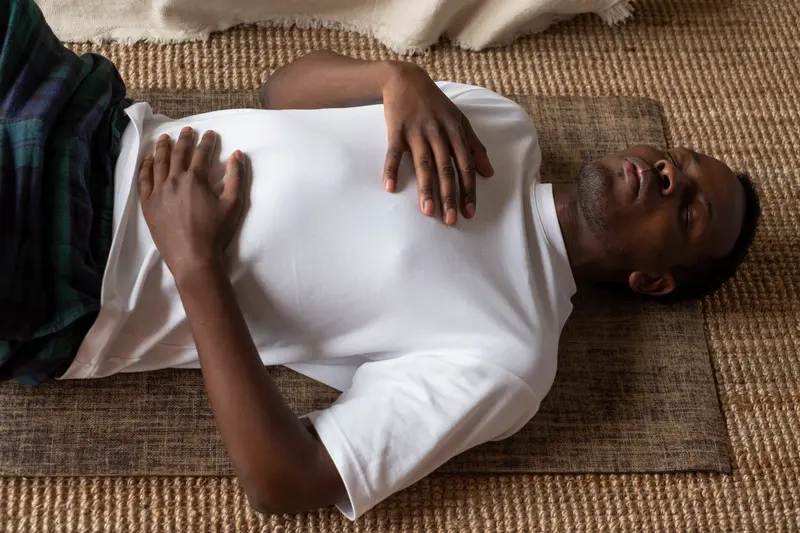
Breathwork guide: Benefits, Techniques, and How to Get Started
History of Breathwork:
What is the difference between breathwork and meditation?

What are the benefits of breathwork?
- Reduced stress and anxiety
- Improved focus and concentration
- Increased feelings of relaxation and calmness
- Improved sleep quality
- Reduced symptoms of depression
- Improved immune function
- Increased energy and vitality
- Enhance sporting performance.
What are some common breathwork exercises?
- Diaphragmatic breathing: This technique involves breathing deeply into the diaphragm, which is a powerful muscle at the base of your lungs. Diaphragmatic breathing also known as abdominal breathing has been shown to lower blood pressure and heart rate which results in promoting relaxation and reducing stress.
- Box breathing: This technique involves inhaling for a certain number of counts, holding the breath for the same number of counts, and then exhaling for the same number of counts. The final hold after the last exhale also allows for the ‘box’ to be complete. This can help regulate the nervous system and promote calmness.
- Alternate nostril breathing: This technique involves closing off one nostril and breathing in through the other, then switching sides and exhaling through the other nostril. It has been historically said to clear energy blockages and bring inner balance. This can help balance the body's energy and promote relaxation, studies have also shown that it can also help increase your focus and energy.
- 4-7-8 breathing technique: It is a breathing exercise that involves inhaling for 4 counts, holding for seven counts and exhaling for 8 counts. It can be done while sitting comfortably or lying down. This kind of breathing exercise can help you focus and keep you away from worries and repetitive thoughts. The best time to try it is just before bedtime, it has been proven to help you get a good night's sleep by calming your mind and reducing anxiety.
What are the long-term benefits of regular breathwork practice?
Breathwork is an extremely powerful tool and if done regularly for long periods of time, it can help you manage stress and mental health issues better, help you feel calmer, improve your concentration and focus and make you feel healthier overall. Breathwork can also lower blood pressure and heart rate which can help prevent diseases in the future, and reduce levels of stress hormones in the body.
Can breathwork impact mental health?

How Breathwork can help with specific health issues:
- PTSD: Trauma in the body can be released through breathwork as it helps to expel the tension and pent-up negative energy. This practice can be especially helpful for veterans and civilians who experienced traumatic events. As you breathe in specific patterns, you stimulate the nervous system which can encourage a state of relaxation.
- Chronic pain: Practicing deep breathing can help when you are feeling tense or in pain. Diaphragmatic breathing in particular has a therapeutic effect on chronic pain as it relaxes the muscles which tense up as a result of pain.
- Cardiovascular health: Breathwork can promote a healthy heart as it helps to lower blood pressure and your heart rate when you are stressed.
How often should I practise breathwork?
Breathwork for children and adolescents:
Breathwork can be a great way for children and teenagers to calm their minds and bodies. Even just one or two minutes of breathwork can improve their focus, and relieve anxiety. Belly breathing is the best exercise for children as it can slow down their thoughts and make them feel more grounded.
Is breathwork safe for everyone and what are the contraindications and precautions:
The Role of a Breathwork Practitioner:
Initial consultation:
The initial consultation will discuss your health history, goals and any concerns, an explanation of the breathwork process and techniques used, and address any questions the client may have.
Setting the space:
Be in a comfortable, quiet environment if done online or in-person. Sometimes incorporation of aromatherapy or calming music will be used.
The Breathwork experience:
What a breathwork session looks like depends on the practitioner and the style they offer.
For functional or relaxation-focused breathwork, the practitioner will go through guided relaxation or grounding exercises to start, followed by specific breathing techniques. The session may last 60–90 minutes and can be combined with other modalities such as sound healing.
For deeper, therapeutic approaches such as conscious connected breathwork, the structure is quite different. A 1:1 session of this kind typically runs 90 minutes to two hours and moves through three phases: an unhurried opening conversation to settle in and share what's present; the breathwork itself, where lying or seated and supported by music and the practitioner's presence, you enter a sustained circular breathing pattern that allows the body to begin expressing what the mind often can't reach; and finally an integration phase, where you're given time to land, reflect, and make meaning of the experience in a grounded, practical way.
Frequently Asked Questions
What's the difference between breathwork and meditation?
While breathwork and meditation share some similarities, they are two distinct practices. Meditation typically involves focusing the mind on a particular object or idea, while breathwork involves actively engaging with the breath to promote relaxation and reduce stress. While meditation can involve breathing techniques, breathwork is specifically focused on using the breath as a tool for relaxation and stress reduction.
Is breathwork safe?
Breathwork is generally considered safe for most people. However, certain active or therapeutic styles have contraindications. Always complete a health intake with your practitioner and disclose any relevant medical history. If in doubt, speak with your GP first. Contraindications include cardiovascular diseases (previous heart attacks, strokes), severe asthma, detached retina, glaucoma, epilepsy, pregnancy, and recent surgery or psychiatric hospitalisation.
Can breathwork help with anxiety?
Yes. Both gentle, regulatory techniques and deeper therapeutic practices have shown benefit for anxiety. One study published in the Journal of Complementary and Alternative Medicine found that a 10-week breathwork program was effective in reducing symptoms of anxiety and depression.
How long before I notice results?
Some people feel a significant shift after a single session. For others, change builds gradually over weeks of regular practice. Consistency tends to matter more than the duration of any single session.
How much does a breathwork session cost?
In Australia, breathwork sessions typically range from $80 to $250 depending on the practitioner's experience, session length, and whether it's a group or 1:1 format. Deeper therapeutic sessions tend to sit toward the higher end of that range.
How do I find a good breathwork practitioner?
Look for someone with formal training, a clear intake process, and experience with the style of breathwork you're drawn to. You can search through the Australian Breathwork Association (ABA) or the International Breathwork Foundation (IBF). Bodhi Holistic Hub also lists verified breathwork practitioners with clearly outlined offerings, making it straightforward to find someone whose approach suits what you're looking for.
Can I do breathwork if I have a health condition?
It depends on the condition and the style of breathwork. Gentle, functional practices are appropriate for most people, while active or therapeutic styles have specific contraindications. Always disclose your health history to your practitioner before booking.
Is breathwork suitable for children?
Yes. Simple techniques like belly breathing are safe and beneficial for children from a young age. Even one to two minutes can improve focus and ease anxiety.
References and Further Reading
Professional Organisations
Australian Breathwork Association (ABA): www.australianbreathwork.com.au
International Breathwork Foundation (IBF): www.ibfnetwork.com
Yoga Australia (for pranayama within the yogic tradition): www.yogaaustralia.org.au
Breathwork apps and technology:
Some popular apps that can be used to practice breathwork include Calm, Breathe2Relax, and Headspace.
- Calm is a popular meditation app that helps people relax and can guide you through different breathing exercises.
- Breathe2Relax is a free app designed to help users manage stress and anxiety. It offers many different breathing exercises and breathwork sessions customised to suit your needs.
- Headspace is one of the most popular meditation and breathwork apps that helps users incorporate mindfulness into their daily lives.
Professional Organisations
- The International Breathwork Foundation (IBF) can help you find a practitioner in your area.
- The Australian Breathwork Association (ABA), which aims to promote awareness and understanding of breathwork and provide resources for you to find the right practitioner for you.
- Bodhi Holistic Hub provides a few options for Breathwork practitioners, all carefully vetted and verified, giving you peace of mind you’ll be in good hands. Book a session with one of our practitioners here.
Related Articles
- Breathwork Explained: The Complete Guide from Holotropic to Wim Hof, A deep dive into breathwork types from a practitioner - Mark Moon
- Breathwork for Trauma: Creating Safety Through Conscious Connected Breathing, How conscious connected breathing supports trauma healing - Emily Paterson
- Breathwork: A Pathway to Healing from Trauma, Unlocking breathwork's healing potential - Eugenia K.
- Breathwork dangers: Understanding Potential Risks and Maximising Benefits, What to know before starting breathwork - Holly Dixon
- Meditation and Breathwork: A Path to Inner Peace and Well-being, Combining breathwork and meditation for inner peace - Eugenia K.
This guide was written by the Bodhi Holistic Hub team in accordance with their editorial policy and reviewed by Tania Boyd.
Last Updated : May 2026
"There's no single more powerful or simpler daily practice to further your health and well being than Breathwork."
Andrew Weil
Discover our vetted practitioners
Rachel Baldock
View Profile
Mollie Hollingshead
View Profile
Tania Boyd
View Profile
Olivia Magdalena
View Profile
Phil Morey
View Profile