Energy Healing
Frequency Healing
What Is Frequency Healing?
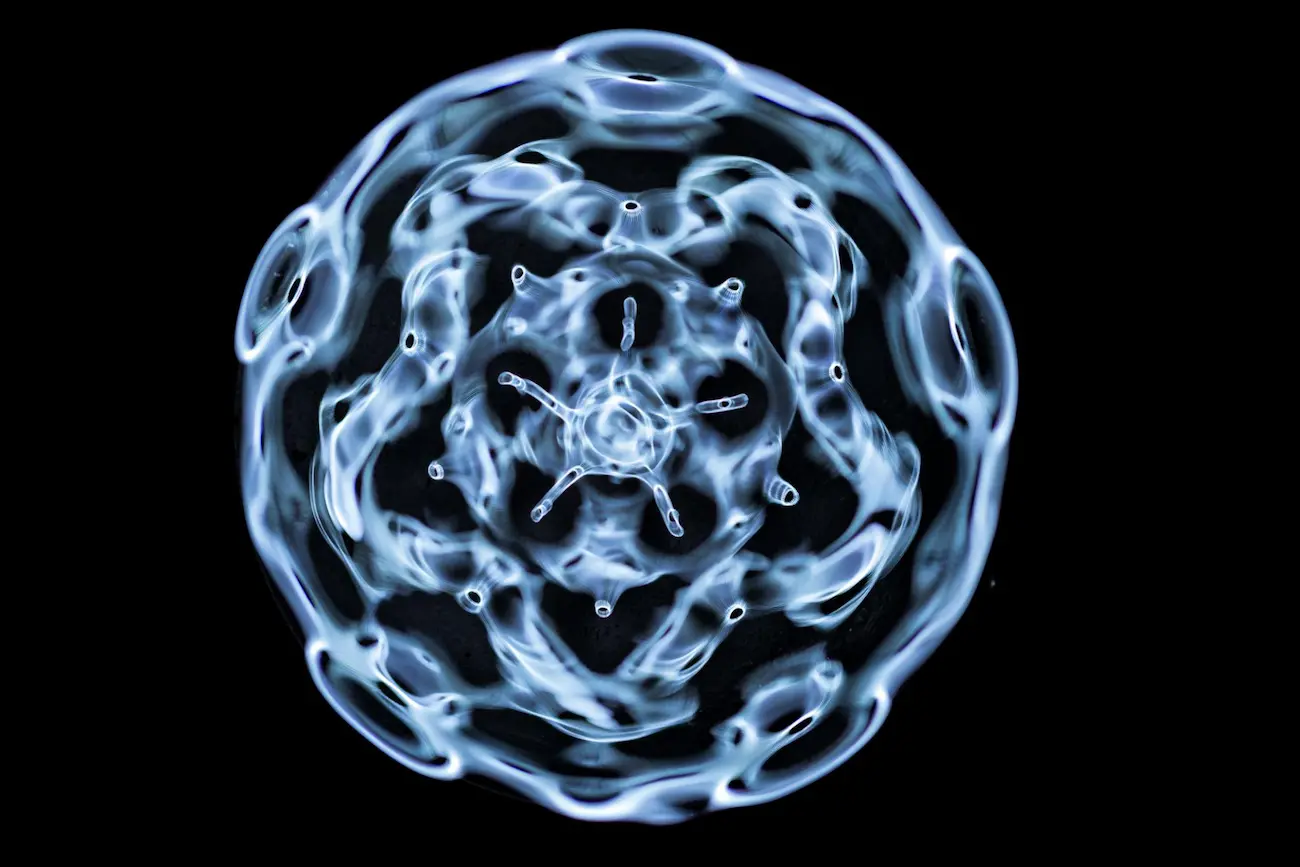
Frequency healing is a therapeutic practice that uses specific sound frequencies and vibrations to support physical, emotional, and mental wellbeing. Practitioners work with instruments like Tibetan singing bowls, tuning forks, gongs, and crystal bowls, or with audio tools such as binaural beats and solfeggio frequency recordings, to create resonance within the body that encourages relaxation, nervous system regulation, and a deeper sense of inner balance.
It's not a fringe idea. Sound has been used as medicine across virtually every human culture for tens of thousands of years, and modern research is beginning to explain why. Studies have measured reductions in cortisol (the body's primary stress hormone), shifts in brainwave activity, and improvements in sleep, mood, and perceived pain following sound-based interventions. While frequency healing works best as a complementary approach alongside conventional care, the evidence supporting its value as a stress-reduction and wellness tool is growing steadily.
People come to frequency healing for all kinds of reasons: persistent anxiety, poor sleep, emotional heaviness that won't shift, chronic physical tension, or simply a desire to slow down and feel more like themselves. You don't need any particular belief system or prior experience. You just need to show up and listen.
A Brief History: Sound as Medicine
The use of sound for healing is older than recorded history. Aboriginal Australians used the didgeridoo, one of the world's oldest wind instruments, to support the healing of broken bones and muscle injuries for over 40,000 years. Their observations, that vibration creates physical resonance in the body, are now being confirmed by modern physics and physiology.
In ancient Greece, Pythagoras, the sixth-century BCE mathematician and philosopher, proposed the concept of "music of the spheres," the idea that harmonic relationships in sound could bring the human body and soul into alignment. He developed specific musical intervals for therapeutic use, and Greek temples were built with acoustic chambers designed to amplify healing sounds.
Ancient Egyptians used vocal toning and chanting in temple rituals. Tibetan monasteries developed singing bowl practices to support meditation and ceremony. Indigenous traditions across Africa, the Americas, and Asia all incorporated drums, chants, and tonal instruments into their healing protocols.
In the 20th century, the field of music therapy emerged as a clinical discipline, primarily following World War II, when musicians were brought into hospitals to support veterans recovering from trauma and injury. Today, vibroacoustic therapy, binaural beat research, and sound bath practices all sit within a much broader tradition of understanding sound as a force that shapes how we feel and function.
How Frequency Healing Works

The Science
Everything in the physical world vibrates. At the most fundamental level, matter is composed of particles in constant motion, each oscillating at its own frequency. The human body is no different. Every cell, organ, and tissue has its own natural resonant frequency, and sound waves can interact with those frequencies in measurable ways.
There are several mechanisms researchers believe are at work:
Brainwave entrainment is probably the best understood. When the brain is exposed to rhythmic sound stimuli, its electrical activity tends to synchronise with that rhythm, a process called the frequency-following response. Binaural beats exploit this directly: when two slightly different tones are played simultaneously, one in each ear, the brain perceives a third tone equal to the difference between them, and its activity shifts toward that frequency. Delta frequencies (0.5 to 4 Hz) support deep sleep and restoration. Theta waves (4 to 8 Hz) encourage meditative and creative states. Alpha waves (8 to 13 Hz) promote relaxed alertness.
Cellular resonance and vibroacoustic effects explain another dimension of how sound works. The human body is approximately 60 per cent water, making it an excellent conductor of sound vibration. When sound waves from instruments like singing bowls or gongs move through the body, they create alternating compression and relaxation at the cellular level. This can stimulate lymphatic flow, reduce muscle tension, and encourage the body's natural repair processes. Skin and deep tissue receptors respond to different frequency ranges, which is why some forms of frequency healing work physically as well as emotionally.
Autonomic nervous system regulation is consistently observed in sound healing research. Certain frequencies and rhythms activate the parasympathetic nervous system, the "rest and restore" mode that counteracts the chronic stress response many people live in. When the parasympathetic system is engaged, heart rate slows, cortisol drops, digestion improves, and the body moves out of survival mode into regeneration.
The Holistic Perspective
From an energetic and traditional perspective, frequency healing operates on the principle that illness and emotional distress arise partly from disruptions in the body's natural vibrational rhythms. Healing, in this view, involves restoring coherence: bringing what is discordant back into harmony. This framing appears in Tibetan medicine, Ayurveda, Traditional Chinese Medicine, and many Indigenous healing traditions, each using different language but pointing toward a similar understanding: that sound creates order, and order supports health.
What Frequency Healing Can Help With
Frequency healing is used as a supportive, complementary practice for a wide range of concerns. It's not a treatment for medical conditions in the clinical sense, but it can meaningfully support how people feel and function alongside whatever other care they're receiving.
Research and practitioner experience both point to consistent benefits in these areas:
Stress and anxiety. Sound therapy reliably reduces subjective feelings of tension and anxiety. A 2016 study involving 62 participants found significant reductions in depression and tension following a sound bath session using Tibetan singing bowls, gongs, and other instruments. Participants new to the practice showed the strongest effects.
Sleep difficulties. Delta-range binaural beats have been shown to help people fall asleep faster and achieve deeper sleep stages. Sound-based interventions are increasingly used for insomnia and sleep disruption connected to pain, anxiety, or nervous system dysregulation.
Mood and emotional regulation. Research measuring post-session mood states consistently shows reductions in anger, fatigue, and low mood. Sound baths in particular seem to facilitate a kind of emotional release that's difficult to achieve through other means.
Chronic pain. Vibroacoustic therapy has shown promise for conditions including fibromyalgia, arthritis, and post-surgical pain. Sound vibration at therapeutic frequencies can reduce pain perception through multiple pathways, including distraction, endorphin release, and direct effects on pain-transmitting nerve pathways.
Focus and cognitive performance. Beta-range binaural beats are used to support concentration and alertness. Gamma frequency stimulation (around 40 Hz) is the subject of growing research into its effects on attention and cognitive processing.
Spiritual wellbeing. In the same study mentioned above, spiritual wellbeing scores increased significantly after sound healing sessions, a dimension of health that conventional therapies rarely address but that many people find deeply important.
What to Expect in a Session
Frequency healing sessions vary depending on the practitioner and the specific approach they use, but there's a general shape to most of them.
Sessions typically involve using specific PEMF devices rather than lying on a mat or sitting nearby. Depending on the practitioner, this may include placing your feet on a device, wearing a belt-like applicator around your waist, or using localised tools such as goggles.
During the session itself, you simply receive. There's nothing you need to do, no breathing technique to maintain, no visualisation to hold. The practitioner plays their instruments, which might include singing bowls placed around or near your body, gongs at varying distances, tuning forks applied to or near different points, or a layered soundscape of multiple instruments. Sessions typically last between 45 and 90 minutes.

People report a wide range of experiences: some drift into a state between sleep and waking, others have vivid imagery or emotional releases, and some simply feel a deep physical heaviness followed by clarity and calm. It's also completely normal to feel very little during the session and only notice the effects afterwards, often as better sleep that night or a lighter feeling in the days that follow. You may feel a slight warmth (especially in the feet) or gentle sensations, but it should never feel painful or uncomfortable.
After the session, drink water, move gently, and give yourself a bit of time before jumping straight back into a demanding day. Integration matters.
If you're exploring binaural beats or solfeggio frequency recordings at home rather than attending an in-person session, use quality stereo headphones, start with shorter sessions of 10 to 15 minutes, and choose frequencies that match what you're working with. Recordings for sleep use delta frequencies; those for focus use beta or gamma; and those for relaxation tend to sit in the alpha or theta range.
Solfeggio Frequencies: What Are They?
Solfeggio frequencies are a set of specific tones with deep historical roots in sacred music and chanting traditions. The nine primary frequencies each carry a different association:
396 Hz is connected to releasing fear and grief. 417 Hz is said to support change and clearing of old patterns. 528 Hz, sometimes called the "miracle tone" or "love frequency," is associated with cellular healing and is used in some biochemistry research for its effects on DNA. 639 Hz relates to connection and relationships. 741 Hz is associated with clarity and problem-solving. 852 Hz connects to intuition and higher awareness. 963 Hz is associated with awakening and spiritual connection.
The scientific evidence for the specific claims attached to individual solfeggio frequencies is still emerging, and not all of it is robust. What does seem clear from research is that sustained exposure to tones in these ranges, particularly in meditative settings, produces measurable shifts in mood and nervous system state. Whether the specific frequencies carry the symbolic properties attributed to them is less certain. Many practitioners use them intuitively alongside other tools, and clients often report strong responses to particular tones that feel personally resonant, even without knowing the frequency.
PEMF and Terahertz Frequency Healing
Two of the more technology-forward approaches within frequency healing are Pulsed Electromagnetic Field therapy (PEMF) and Terahertz (THz) frequency therapy. Both work with electromagnetic frequencies rather than audible sound, but they share the same foundational principle as singing bowls and binaural beats: that the body responds to specific frequencies in ways that support its natural repair processes.

PEMF Therapy
PEMF therapy delivers low-frequency electromagnetic pulses that interact with the body's own bioelectric field. Every cell in the body generates a small electrical charge to function properly, and when cells are stressed, injured, or depleted, that charge drops. PEMF pulses are thought to support cellular activity, circulation, and the body's natural repair mechanisms.
Sessions vary depending on the practitioner and the specific devices they use. In some cases, this may involve placing the feet on a device, wearing a belt-like applicator around the waist, or using localised tools such as goggles or targeted applicators.
Research into PEMF is more established than many people realise. It has been used in clinical settings for decades, particularly for bone healing and post-surgical recovery, and is the subject of ongoing research into its applications for chronic pain, inflammation, and fatigue. People commonly seek it out for arthritis, joint problems, fibromyalgia, sports injuries, and general energy support.
Terahertz Frequency Therapy
Terahertz waves sit in the electromagnetic spectrum between microwaves and infrared light, a range that corresponds closely to the natural vibrational frequencies of biological molecules, including water, proteins, and DNA. This is what makes THz therapy particularly interesting from a research perspective: its frequencies are thought to resonate directly with cellular structures rather than simply passing through tissue.
Proponents and early researchers suggest that THz exposure can support microcirculation, improve cellular hydration, and encourage the kind of molecular activity associated with the body's self-repair processes. The research base is still developing, and THz therapy is not a regulated medical treatment in Australia, but interest in its therapeutic applications is growing steadily in both scientific and wellness communities.

PEMF and THz Combined
Some devices now combine PEMF and THz technology, delivering both electromagnetic stimulation and terahertz resonance in a single session. The rationale is complementary: PEMF works at the level of cellular energy production and deep tissue, while THz frequencies interact with the molecular structures within cells. Together, proponents suggest, they address both the energetic and structural dimensions of cellular health.
These devices are marketed and used as wellness tools rather than medical devices, meaning they're positioned to support relaxation, circulation, and general vitality rather than to diagnose or treat specific conditions.
Who Might Benefit
PEMF and THz approaches are commonly used by people managing chronic pain, recovering from injury or surgery, dealing with persistent fatigue, or looking for non-pharmaceutical support for inflammation. Athletes use PEMF for recovery; older adults often explore it for joint support; and people with conditions like fibromyalgia or autoimmune-related inflammation are increasingly curious about both modalities.
Safety and Contraindications
Both PEMF and THz therapy are non-invasive and non-thermal, meaning they don't generate heat and carry none of the risks associated with some light-based therapies. That said, they're not suitable for everyone. You should avoid PEMF and THz devices if you're pregnant, have a pacemaker or any electronic implant, have epilepsy, or are managing active heart disease or a bleeding tendency. Anyone with impaired sensation, such as diabetic neuropathy or nerve compression, should also exercise caution and consult their doctor first, since reduced sensitivity makes it harder to monitor your body's response during a session. If you're unsure, check with your GP before trying either modality.
Frequency Healing vs. Music Therapy: What's the Difference?
Music therapy is a regulated allied health profession in which trained clinicians use music-based interventions to address specific therapeutic goals, often working within healthcare settings with people experiencing mental illness, neurological conditions, disability, or serious illness. Music therapists in Australia must hold recognised qualifications and registration with the Australian Music Therapy Association.
Frequency healing and sound healing are broader terms covering a wider range of approaches, many of which are offered by practitioners who have trained extensively but are not classified as allied health professionals. The therapeutic goals tend to be more holistic: stress reduction, emotional wellbeing, energetic balance, and spiritual support rather than clinical treatment of diagnosed conditions.
Both have their place. If you're dealing with a clinical mental health condition or neurological disorder, music therapy delivered within a healthcare setting may be most appropriate. If you're looking for deep relaxation, nervous system support, emotional processing, or spiritual nourishment, sound healing and frequency-based practices are well worth exploring.
Is Frequency Healing Safe?
For the vast majority of people, frequency healing is very safe and well-tolerated. It's non-invasive, requires no physical manipulation, and has no pharmaceutical side effects.
A few things are worth knowing. People with epilepsy should consult their doctor before using binaural beats, as the frequency-following response may interact with seizure thresholds in some individuals. Those with cochlear implants or other auditory devices should seek guidance before attending sound sessions. If you're pregnant, particularly in the first trimester, let your practitioner know so they can adjust what they use accordingly. And for people with a history of trauma, deep sound immersion can sometimes bring up strong emotional material, so working with a trauma-informed practitioner matters.
Frequency healing is not a substitute for medical care. If you're managing a serious health condition, please continue working with your medical team. Sound therapy works best as a complement to, not a replacement for, that care.
Frequently Asked Questions
How much does a frequency healing session cost in Australia?
Prices vary by practitioner, location, and session length. One-on-one sessions typically range from $80 to $180, with most sitting around $100 to $130 for a standard hour. Group sound baths are generally more affordable, often $25 to $60 per person. Some practitioners offer introductory rates or sliding-scale fees. Online sessions using binaural beats or guided frequency meditation are available from around $20 to $50, and there are many free resources on platforms like Spotify and YouTube for self-guided exploration.
How do I find a qualified frequency healing practitioner?
Look for practitioners who have completed accredited training and hold membership with a professional body such as the Australian Sound Healers Association (ASHA), which maintains a directory of qualified, trauma-informed practitioners across Australia. The Australian College of Sound Therapy (ACST) also trains and certifies practitioners whose credentials are recognised by the International Institute for Complementary Therapists (IICT). A good starting point is Bodhi Holistic Hub, which lists vetted holistic practitioners including sound healers, making it straightforward to compare qualifications, read reviews, and book a session with confidence.
How many sessions do I need?
A single session can produce noticeable relaxation and a shift in mood, but the deeper benefits of frequency healing tend to build with consistency. Most practitioners suggest starting with three to six sessions to get a real sense of what the modality offers you personally. Some people come once a month as ongoing maintenance; others attend weekly when working through a particularly stressful period. There's no fixed protocol, and a good practitioner will help you find a rhythm that makes sense for your situation.
Can I practise frequency healing at home?
Yes. Listening to binaural beats, solfeggio frequency recordings, or sound bath audio through quality headphones is an accessible way to build a home practice. Singing bowls are also widely available and relatively easy to learn for personal use. Home practice works well as a complement to occasional sessions with a practitioner who can guide your experience more directly.
What's the difference between a sound bath and frequency healing?
A sound bath is one specific format within the broader world of frequency healing and sound therapy. In a sound bath, you lie still while a practitioner creates an immersive acoustic environment around you using various instruments. Frequency healing is the wider umbrella, which also includes binaural beats, tuning fork work, solfeggio recordings, vibroacoustic therapy, and other approaches. All sound baths are a form of frequency healing, but not all frequency healing involves a sound bath.
Can frequency healing help with anxiety and depression?
Research consistently shows that sound-based practices can support reductions in anxiety, tension, and depressive mood states. A 2024 study published in the International Journal of Environmental Research and Public Health found that singing bowl sound healing was associated with measurable shifts in brainwave activity linked to relaxation and reduced stress. For people living with clinical anxiety or depression, frequency healing can be a valuable complementary support, but it works best alongside rather than instead of professional mental health care. If you're struggling, please also speak with your GP or a mental health professional.
Is frequency healing the same as energy healing?
There's overlap, but they're not identical. Energy healing practices like Reiki work primarily with the practitioner's intention and subtle life force energy, usually involving light touch or hands placed near the body. Frequency healing works specifically through sound and vibration, which are physical phenomena that can be measured and studied. Many practitioners integrate elements of both, and they complement each other well.
References and Further Reading
Professional Organisations
- Australian Sound Healers Association (ASHA) Australia's peak not-for-profit body for trauma-informed sound therapy practitioners. Offers training, practitioner directories, IICT-recognised credentials, and professional support.
- Australian College of Sound Therapy (ACST) Provides comprehensive training courses in sound therapy for individuals and allied health practitioners. Certifications are IICT-accredited.
- Australian Music Therapy Association (AMTA) The professional association for registered music therapists in Australia.
- International Institute for Complementary Therapists (IICT) Recognises qualifications from a wide range of complementary therapy training providers and supports practitioners with insurance and professional development.
Research and Scientific Foundation
- Effects of Singing Bowl Sound Meditation on Mood, Tension, and Well-being: An Observational Study
- Does the sound of a singing bowl synchronize meditational brainwaves in the listeners?
- Effects of Sound Interventions on the Mental Stress Response in Adults: Protocol for a Scoping Review
- The Science of Frequency Therapy: Exploring Its Healing Potential
- Possible Mechanisms for the Effects of Sound Vibration on Human Health
- Neurophysiological effects of a singing bowl massage
Educational Resources
- Research overview and practical guidance on sound bath meditation
- Sound healing and beyond
- Sound therapy and healing: a practical overview
Related Modalities
- Reiki — Energy healing through light touch that shares frequency healing's focus on restoring energetic balance.
- Meditation and mindfulness — Sound healing naturally induces meditative brainwave states; the two practices support each other well.
- Breathwork — Combining breath practices with sound immersion can deepen nervous system regulation effects.
- Acupuncture and acupressure — Both work with the body's energy meridian system; tuning fork therapy (Acutonics) specifically bridges sound healing with acupuncture principles.
- Yoga — Yoga's meditative, breath-focused nature pairs naturally with sound healing, and restorative yoga combined with a sound bath can deepen the relaxation response significantly
This guide was written by the Bodhi Holistic Hub team and reviewed by Marg Brassington in accordance with their editorial policy.
Last Updated: Mar 2026
"Sound can redress imbalances on every level of physiologic functioning and can play a positive role in the treatment of virtually any medical disorder."
Dr. Mitchell Gaynor, oncologist and author of The Healing Power of Sound
Discover our vetted practitioners

Marg Brassington
View Profile
Becky English
View Profile