Spiritual Practices
Light Language Activation
Light Language Activation: A Complete Guide
Light language activation is a form of energy healing in which a practitioner channels sounds, tones, spoken syllables, or visual symbols that exist outside the framework of conventional spoken language. Also known as Star Language or Speaking in Tongues, these transmissions are often described as a vibrational, multidimensional form of communication that operates beyond the conscious mind, believed to bypass the analytical mind and work directly with the body's energy field to promote emotional release, spiritual awakening, and deep cellular healing.
Rather than being a structured or translatable language, it is experienced as a frequency-based expression that can interact with the energetic and emotional body, and for some, is felt to resonate at a cellular or DNA level. It's not a language you learn. It's one that seems to arise spontaneously from a place of altered or expanded awareness, and many practitioners describe it as something that "came through" them rather than something they developed. You might hear it as flowing, melodic tones, rhythmic clicking sounds, or something that resembles an ancient tongue you've never encountered before. Some practitioners also channel it in written or drawn form, producing geometric symbols and glyphs.
Because of its multidimensional nature, light language cannot be directly translated into conventional human language. Instead, it is felt, received, and interpreted uniquely by each individual.
Importantly, light language is considered an innate ability. Everyone carries their own unique expression, and it is not necessary to be "activated" by another person in order to access it, although guidance can help individuals feel more confident exploring it.
People are drawn to light language activation for many reasons: a feeling of spiritual stagnation, unresolved emotional patterns, a sense of disconnection from purpose, or simply deep curiosity about the non-ordinary. It sits firmly in the realm of spiritual healing rather than clinical medicine, and anyone exploring it should approach it as a complementary practice rather than a replacement for professional healthcare.
Origins and Background
The idea that certain sounds carry healing power is ancient and cross-cultural. Vedic Sanskrit mantras, Gregorian chanting, Aboriginal songlines, and shamanic toning traditions all operate on the premise that vibration and intention, when combined, can shift something in the body or the field around it. There are also perspectives that ancient practices such as yoga asana and mudra may have originated as forms of encoded energetic communication, though interpretations of this vary.
What we now call light language draws from many of these streams. It gained visibility in modern spiritual communities during the late 20th century, particularly within channelling traditions and among those working with concepts like Pleiadian or Sirian energy transmissions, the idea that certain healing frequencies originate from beyond ordinary human consciousness. Whether you interpret this literally or metaphorically, the lived experience reported by many recipients is consistent: a sense of deep relaxation, emotional movement, or a feeling of being "recalibrated" at a level they can't quite explain intellectually.
It has grown significantly in Australia and globally through the rise of online spiritual communities, retreat culture, and the broader wellness movement that has made practices like sound healing, ThetaHealing, and Akashic Records Reading more mainstream.

How Light Language Activation Works
There's no peer-reviewed clinical model for how light language works, and it would be misleading to suggest otherwise. What practitioners and researchers in adjacent fields do point to is the role of sound and vibration in affecting the nervous system. Sound healing research has documented how specific frequencies can shift brainwave states, reduce cortisol, and activate the parasympathetic nervous system. Light language often operates within this territory, using voice as the primary instrument.
From an energetic perspective, practitioners describe light language as carrying encoded information, similar to how a seed carries the blueprint of a tree. The sounds or symbols are said to activate dormant aspects of the recipient's consciousness, clear energetic blockages, or support the integration of experiences that the mind alone hasn't been able to process.
From a psychological standpoint, some therapists who incorporate light language into their work suggest that its power lies partly in its non-verbal nature. When the logical, language-processing mind can't find a foothold, something else relaxes. The nervous system drops into a more receptive state, and emotional material that's been held in the body can begin to move.
Whether you lean into the metaphysical explanation or the nervous system one, many people who experience it describe a similar arc: initial scepticism, a moment of unexpected emotional response during the session, and a lingering sense of having shifted something, even if they can't name it.

What It Can Help With
Light language activation is most commonly sought for:
Emotional release and clearing, particularly when someone feels stuck in grief, anxiety, or old patterns that talk-based therapy hasn't fully reached. Spiritual acceleration, for those actively working with their consciousness and wanting support moving through transitions or "downloads." Energetic recalibration after periods of stress, burnout, illness, or significant life change. Deepening meditation or spiritual practices, as many people find that receiving a transmission helps them access more expanded states more easily. Supporting a sense of soul-level reconnection, that ineffable feeling of coming back to yourself.
Many people describe the experience of hearing or receiving light language as deeply familiar, like "coming home" or connecting directly with the soul. It often bypasses logic and instead creates a felt sense of resonance, emotion, or inner knowing.

What to Expect in a Session
Sessions vary considerably between practitioners, so it's worth asking ahead of time what their particular approach looks like. In general, you'll begin with a brief conversation or intention-setting process. The practitioner may ask what you're hoping to move through, or they may simply invite you to arrive open.
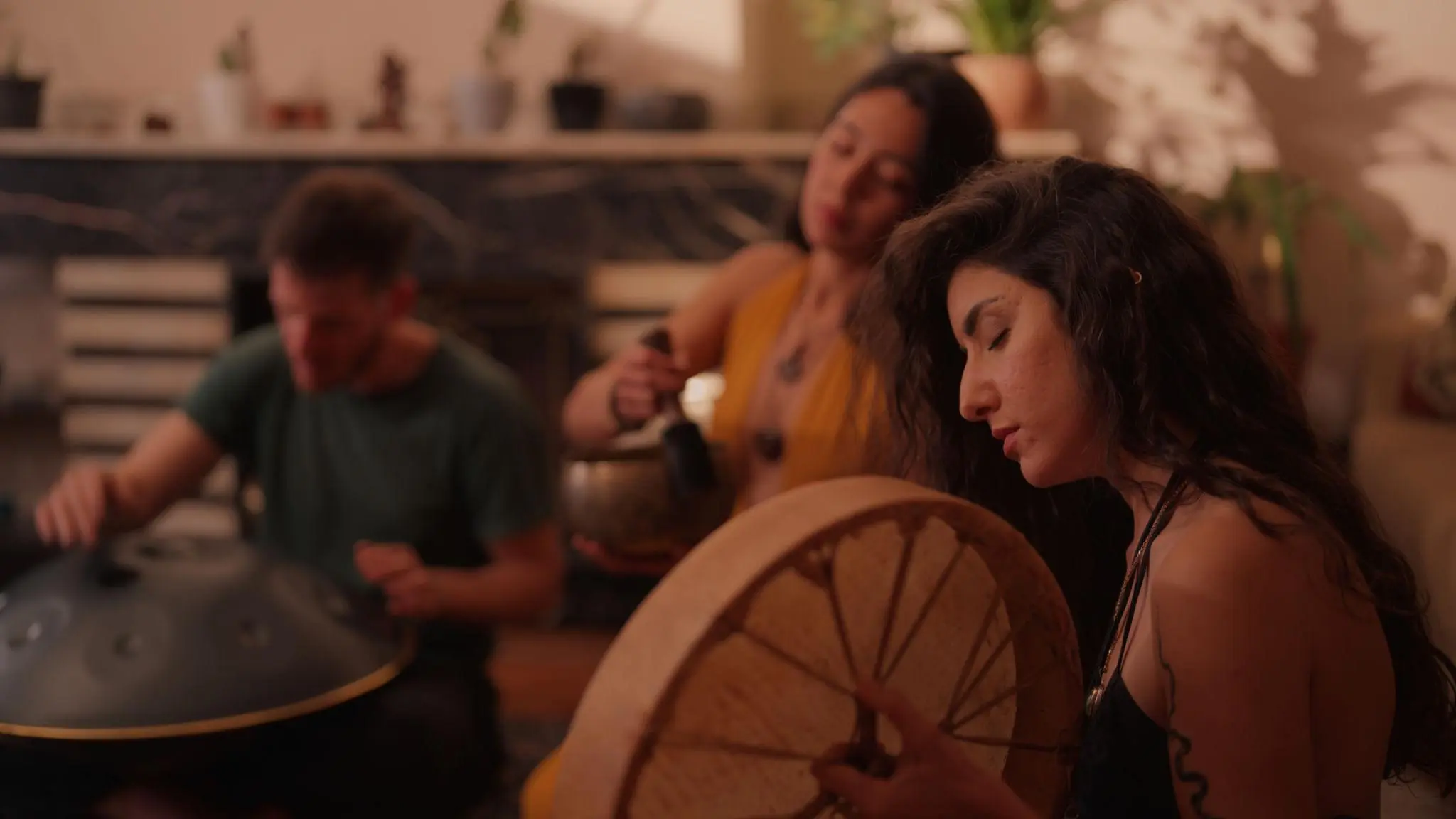
The activation itself might last anywhere from 15 minutes to a full hour. You'll typically be lying down or seated comfortably with your eyes closed. The practitioner will begin channelling, which might sound like toning, singing in unknown syllables, rapid clicking or whistling sounds, or a flowing speech-like transmission. Light language is not limited to vocal or written expression. It can also be channelled through movement, hand gestures, and body-based expression, sometimes referred to as Light Weaving. Some practitioners also work with written light language symbols during or after the session.
Many recipients report sensations during the session: warmth, tingling, spontaneous tears, or a deep heaviness as though sinking into something. Others simply feel very relaxed and notice the deeper effects in the days that follow, often in the form of vivid dreams, emotional clarity, or a sense of having processed something they'd been carrying.
A session typically closes with grounding, and the practitioner will allow time for you to come back fully before you leave.

Light Language and Other Healing Modalities
Light language activation pairs well with a number of other energy and sound-based practices. Many practitioners combine it with sound healing, using instruments like crystal singing bowls or tuning forks alongside the vocal transmission to deepen the energetic work. It's also frequently integrated with ThetaHealing, a technique that works with theta brainwave states to access the subconscious, given that both modalities operate at the level of belief and energy rather than conscious cognition.
Those drawn to light language often find that Akashic Records Reading offers a complementary perspective, accessing soul-level information through a meditative state in ways that feel thematically similar. Kundalini Activation is another practice that sits in nearby territory, working with the body's primal life force energy and often producing similar reports of spontaneous movement, emotional release, and expanded states of consciousness.
Is Light Language Activation for You?
It tends to resonate most strongly with people who already have some relationship with energy-based or spiritual practices, though that's not a requirement. If you're sceptical but curious, that's a completely reasonable place to start. Many practitioners specifically welcome people who aren't sure what to think of it.
It's worth approaching with reasonable expectations. Light language is not a quick fix. Some people find a single session profoundly moving; others notice subtle shifts over time. Allowing yourself to simply be present, without pressure to "feel something," usually creates the most space for whatever the session wants to offer.
If you're in an acute mental health crisis, it would be wise to stabilise with professional clinical support before exploring practices like this. And if you're already in therapy or other healing work, light language can often complement that process beautifully, particularly for the material that lives below words.

Frequently Asked Questions
What exactly is light language?
Light language, also known as Star Language or Speaking in Tongues, is a form of channelled vocal or written expression that exists outside conventional spoken language. Practitioners transmit it as sounds, tones, symbols, movement, or hand gestures, and it's understood to work with the body's energy field rather than the rational mind.
Do I need to believe in it for it to work?
Most practitioners say no. The transmission is said to work at an energetic level that doesn't require intellectual agreement. Many people receive sessions with significant scepticism and still report unexpected emotional or physical responses.
Is light language religious?
It has roots in various spiritual traditions and draws on concepts from channelling and extraterrestrial consciousness frameworks, but it's not tied to any specific religion. People from all backgrounds and belief systems work with it.
How is it different from sound healing?
Sound healing uses specific instruments and frequencies, often with documented effects on the nervous system. Light language uses the human voice, body, or symbols as a channel for transmission, with the specific expression arising spontaneously rather than being pre-selected. The two are related but not the same, and many practitioners use them together.
How many sessions do I need?
There's no standard answer. Some people find one session sufficient for a particular intention; others return regularly as part of an ongoing spiritual practice. It's very individual.
How do I find a qualified practitioner?
Because light language isn't regulated in the same way as clinical health professions, it's especially important to do your due diligence. Look for practitioners who are transparent about their background, training, and approach. Reading reviews and asking questions before booking is always worthwhile. Bodhi Holistic Hub lists verified practitioners across a range of energy healing modalities, which makes it a reliable starting point if you're looking for someone whose work has been reviewed and whose profile is clear about what they offer.
References and Further Reading
Professional Organisations
- Light Language Healing :One of the most established international training programmes, offering structured courses across all forms of light language.
- Light Code Academy : Multilevel practitioner certification across vocal, written, and gestural light language forms.
- Centre of Excellence : CPD-accredited online diploma for those wanting foundational training.
Research and Scientific Foundation
- Newberg et al. (2006). The measurement of regional cerebral blood flow during glossolalia. Psychiatry Research: Neuroimaging.
- Walter et al. (2020). Brain structural evidence for a frontal pole specialisation in glossolalia. IBRO Reports, University of Fribourg.
- Price, J. (2015). Opening to Light Language: Humanity's Evolution into Multidimensional Communication. The primary published text in the field for those wanting deeper conceptual grounding.
Related Modalities
- Sound Healing uses instruments and intentional frequency to promote relaxation, emotional release, and nervous system regulation, sharing light language's foundation in the healing potential of vibration.
- ThetaHealing is a meditation-based technique that works with theta brainwave states to access subconscious beliefs and energy patterns, and is often used alongside light language transmissions.
- Akashic Records Reading is a spiritually-oriented practice in which a practitioner accesses a soul-level field of information to offer insight and healing, and sits in similar territory to light language in its non-ordinary, channelled nature.
- Kundalini Activation works with the body's primal life force energy through breathwork, sound, and movement, often producing deep emotional release and expanded states that parallel the experiences people describe in light language sessions.
This guide was written by the Bodhi Holistic Hub team according to their editorial policy and reviewed by Becky English.
Light Language works like a stem cell. It is dynamic frequency encodings of sound and light that adjust to your needs in each moment, as guided by your Higher Self.
Jamye Price, international energy healer, channel, and author of Opening to Light Language
Discover our vetted practitioners
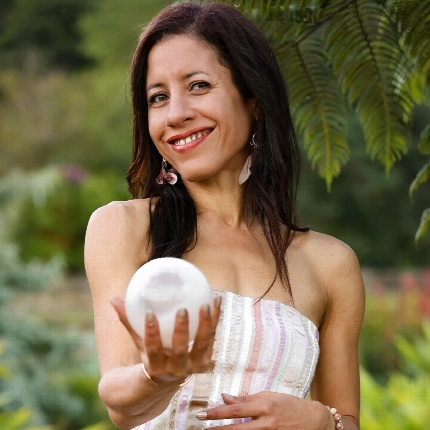
Becky English
View Profile