Coaching & Counselling
Psych-K

What Is PSYCH-K?
PSYCH-K (pronounced "sike-kay") is a belief change process developed in 1988 that uses specific body postures and muscle testing to reprogram limiting subconscious beliefs. When you work with a PSYCH-K facilitator, they help you identify beliefs that are sabotaging your goals, then guide you through processes designed to create what's called a "Whole-Brain State" that allows new,
supportive beliefs to integrate at the subconscious level.
The system is based on the premise that your subconscious mind controls about 95% of your consciousness and behaviour. This subconscious programming, formed largely before age six, operates automatically in the background of your life, influencing your decisions, behaviours, relationships, health, and outcomes. Whilst your conscious mind might want success, love, or prosperity, if your subconscious beliefs contradict these desires, you'll find yourself stuck repeating the same patterns despite your best intentions.
PSYCH-K provides what its creator, Robert M. Williams, describes as "a kind of mental keyboard" for accessing and reprogramming your subconscious mind. The processes take only minutes rather than months or years of traditional therapy. By creating balanced communication between both brain hemispheres through specific physical postures combined with focused intention, PSYCH-K claims to rapidly install new beliefs that support rather than block your goals.
People seek PSYCH-K for stress and anxiety, low self-esteem and confidence issues, relationship challenges, financial prosperity blocks, health and body concerns including weight, career and performance issues, breaking self-sabotaging patterns, and spiritual growth and consciousness evolution. The method works across any life area where limiting beliefs create obstacles to what you want to achieve.
The Origins and Philosophy of PSYCH-K
Robert M. Williams created PSYCH-K in December 1988 in Denver, Colorado. Williams holds a Bachelor of Arts degree in Philosophy from UCLA and a Master's degree in Counselling and Personnel Services from the University of Colorado. For the first 14 years of his career, he worked in corporate management positions across various industries including backpacking, energy management, and telecommunications.
During this corporate period, Williams experienced a spiritual awakening that prompted him to leave the business world and become a professional psychotherapist. However, his 14 years in psychotherapy practice left him frustrated with conventional counselling approaches. Coming from a business background where he was trained to produce quantifiable results, he found the therapeutic emphasis on process over outcomes unacceptable.
Traditional therapy techniques, which rely primarily on insight and motivation, rarely created the real, lasting changes his clients needed. The methods took months or years to produce results, if they worked at all. This widening gap between what clients needed and what conventional therapy delivered forced Williams to explore alternatives, both ancient and contemporary, outside his university training.
According to Williams, PSYCH-K arrived through "a series of intuitive flashes of insight" generated by years of his own experience and research. He was initially sceptical because this new method broke every rule he'd been taught about counselling. It violated assumptions of mainstream psychology that had dominated for over fifty years. However, he was determined to get results for his clients.
Williams began experimenting with himself and willing friends as test subjects. The results were often dramatic and life-changing. He found that subconscious beliefs could shift in as little as two to five minutes per belief. Changes that normally took months or even years with traditional methods were happening in one to three sessions using PSYCH-K.
The system draws heavily from split-brain research, also called Brain Dominance Theory, developed by Nobel Prize-winning neurobiologist Roger W. Sperry. This research, which began in the late 1950s, demonstrated that the brain's two hemispheres process information differently and serve distinct functions. The left hemisphere typically handles logic, language, and linear thinking, whilst the right processes emotions, creativity, and holistic perception.
Williams incorporated this neuroscience understanding into processes that deliberately create balanced communication between both hemispheres. This "Whole-Brain State" is ideal for reprogramming beliefs because you're accessing the full capacity of both logical and intuitive brain functions simultaneously.
The overall mission of PSYCH-K, according to Williams, is to "Nurture Sacred Global Evolution." He views the work as helping people recognise their true identity as spiritual beings having a human experience. When your subconscious beliefs align with this fundamental truth, you're freed from what he calls a prison of limiting beliefs.
PSYCH-K has now trained thousands of facilitators across more than 40 countries worldwide. Williams is president of The Myrddin Corporation and director of the PSYCH-K Centre International. His book, "PSYCH-K... The Missing Peace In Your Life!" explains the philosophy and science behind the process.
How PSYCH-K Works: The Whole-Brain State
Understanding how PSYCH-K works requires grasping several key concepts about consciousness, brain function, and belief formation. Your reality is created by your beliefs. These beliefs, usually subconscious, result from lifelong programming beginning in childhood. Neuroscience indicates that as much as 95% of your consciousness is actually subconscious. It's the subconscious mind that stores your attitudes, values, and beliefs.
From these beliefs, you form perceptions about the world and yourself, and from these perceptions, you develop behaviours. When you want to change self-defeating behaviours, the most effective approach is often changing the subconscious beliefs that support them.
The challenge is that your conscious and subconscious minds often conflict. Your conscious mind sets goals like "I want to be successful" or "I want a loving relationship," but if your subconscious believes "I'm not worthy" or "People always leave me," this creates what Williams describes as trying to drive with one foot on the accelerator and one on the brake simultaneously.
PSYCH-K provides specific processes called "balances" that create what research has shown is a bilateral, symmetrical brainwave pattern, the Whole-Brain State. In this state, both hemispheres communicate effectively, dramatically reducing resistance to change in the subconscious mind.
The primary tool for communicating with your subconscious during PSYCH-K sessions is muscle testing, also called applied kinesiology. Your facilitator uses gentle pressure on your extended arm whilst asking yes/no questions. A strong muscle response indicates "yes" or congruence, whilst a weak response indicates "no" or incongruence. This provides direct feedback from your subconscious, bypassing conscious filters and defences.
Through muscle testing, your facilitator identifies which beliefs are currently programmed in your subconscious. They'll test statements like "I am worthy of love" or "I deserve financial abundance." If your arm goes weak when holding these statements, your subconscious doesn't believe them, regardless of what your conscious mind thinks.
Once limiting beliefs are identified, your facilitator guides you through a balance process. The most common is the Whole-Brain Posture, where you sit or stand in a specific cross-lateral position that engages both brain hemispheres simultaneously. Whilst holding this posture and focusing on the new belief you want to install, your brain creates the bilateral, symmetrical brainwave pattern ideal for reprogramming.
The process includes an important step that distinguishes PSYCH-K from many self-help techniques. Before changing any belief, your facilitator checks with what Williams calls your Superconscious Mind (also understood as Spirit, Higher Self, or divine wisdom) to confirm whether changing this belief aligns with your highest good. This prevents "killing the messenger," where you might be trying to fix a problem that's actually a message from your Higher Self about an important life lesson you need to learn.
If permission is granted, you proceed with the balance. The actual belief change often takes only a few minutes. After the balance, muscle testing confirms whether the new belief has integrated at the subconscious level.

The Research: Whole-Brain State Validated
Unlike many alternative therapy approaches, PSYCH-K has some peer-reviewed research validating its core claim about creating a Whole-Brain State. In 2011, neuroscientist Dr. Jeffrey Fannin conducted research using quantitative electroencephalography (qEEG) brain mapping to measure the effects of PSYCH-K processes.
The study involved 125 participants and demonstrated that PSYCH-K Balance processes create statistically significant changes in brain hemispheric coherence patterns. Specifically, the research showed that 98% of participants achieved a bilateral, symmetrical brainwave pattern (the Whole-Brain State) after completing PSYCH-K balances lasting only 10 minutes.
Brain maps showed dramatic differences before and after the balance process. Before, brain activity was typically more dominant in one hemisphere. After, the brainwave patterns showed globally distributed energy across both hemispheres, indicating balanced "whole-brain" functioning.
The research was published in three peer-reviewed journals spanning different disciplines: NeuroConnections (neuroscience newsletter, Fall 2011), CQ: CAPA Quarterly (Counselling and Psychotherapy Association of New South Wales, August 2012), and Business Perspectives (business management field). The fact that the same research was accepted across such diverse publications demonstrates the widespread implications of this Whole-Brain State.
The study validates that PSYCH-K processes do create measurable changes in brain function. This bilateral brain state is associated with increased access to emotional resources, reduced stress responses, enhanced creativity and problem-solving, and the ability to integrate new information more easily.
However, it's important to note what this research does and doesn't prove. It demonstrates that PSYCH-K creates a specific brain state. It doesn't directly prove that beliefs change or that life outcomes improve as a result. Those claims rest primarily on anecdotal evidence from thousands of practitioners and clients reporting positive changes.
The foundation in split-brain research by Roger W. Sperry, who won the Nobel Prize in 1981 for this work, provides theoretical grounding. The neuroscience understanding that balanced brain hemisphere communication enhances functioning is well-established. What remains less scientifically validated is whether the specific belief change protocols PSYCH-K uses translate into lasting behavioural and life circumstance changes.
What Happens in a PSYCH-K Session
Your first PSYCH-K session typically lasts 60 to 90 minutes. You'll work with a certified facilitator who's completed official PSYCH-K training. The session usually begins with a conversation about what brings you in, what goals you have, and what beliefs or patterns you'd like to change.
Your facilitator will explain how muscle testing works and establish clear muscle responses with you. They'll test your arm strength whilst you think thoughts you know are true versus false, so you experience how your muscle responds differently. This calibration ensures accurate communication with your subconscious throughout the session.
Once muscle testing is established, your facilitator works with you to identify limiting beliefs. You might discuss areas like self-worth, relationships, abundance, health, or any specific life domain where you feel stuck. Your facilitator will create statements representing the beliefs you'd like to have, then use muscle testing to check whether your subconscious currently holds these beliefs.
For example, if you're working on financial abundance, your facilitator might test statements like "I deserve to be financially prosperous," "It's safe for me to have money," or "I can create wealth whilst serving others." A weak muscle response to any of these indicates a limiting belief your subconscious holds.
After identifying which beliefs need changing, your facilitator guides you through the appropriate balance process. PSYCH-K offers various balances for different purposes. The Whole-Brain Posture is most common, where you sit or stand in a specific cross-lateral position (right hand on left knee and left hand on right knee, or similar variations) whilst holding the new belief in your mind.
You'll remain in this posture for several minutes, typically two to ten. Your facilitator guides you to focus on the new belief, imagine it as already true, and feel what that would be like. Meanwhile, your brain is creating the bilateral, symmetrical pattern that allows the new belief to integrate subconsciously.
Throughout this process, you remain fully conscious and aware. You're not in a trance or hypnotic state. You're actively participating in your own transformation. After the balance, your facilitator uses muscle testing again to confirm whether the belief has shifted. A strong muscle response where there was previously a weak one indicates successful integration.
Most sessions address multiple beliefs. Your facilitator works through them systematically, always checking with your Superconscious Mind for permission before changing each belief. Sessions are collaborative. You're encouraged to ask questions, share what you're noticing, and be an active participant rather than a passive recipient.
After your session, you might feel more peaceful, energised and clear, emotionally lighter, or simply different in ways you can't quite articulate. Changes often continue unfolding over the following days and weeks as your new beliefs influence your automatic thoughts and behaviours.
The number of sessions needed varies. Some people experience significant shifts after one or two sessions. Others work with a facilitator over several sessions to address multiple life areas or deeply ingrained patterns.
Learning PSYCH-K for Self-Use
PSYCH-K is designed to be learnt by anyone interested in personal growth, not just those wanting to become professional facilitators. The organisation offers workshops specifically for individuals wanting to use PSYCH-K on themselves and with family and friends.
The Basic Workshop is a two-day intensive programme teaching foundational PSYCH-K processes. You learn how to muscle test yourself and others, how to identify limiting beliefs, the core balance processes for changing beliefs, how to check with your Superconscious Mind for permission, and how to integrate PSYCH-K into daily life. The workshop is experiential. You'll practice the processes multiple times, work with other participants, and leave with skills you can use immediately.
There's also an Online Level 1 Workshop offering similar content in a virtual format for people who can't attend in person or prefer online learning.
Advanced workshops teach additional balance processes for specific purposes like transforming stress and trauma, working with relationships, addressing health concerns, and accelerating spiritual evolution. These advanced levels build on the foundation but aren't required for effective personal use of PSYCH-K.
Many people attend workshops purely for their own growth without any intention of becoming facilitators. They find that learning to change their own beliefs empowers them to create ongoing shifts in their lives without needing to book sessions with facilitators.
For those wanting to become certified facilitators and work with clients professionally, additional training and certification are required beyond the basic workshops. Facilitator certification involves completing all workshop levels, submitting case studies, and meeting ongoing education requirements.
Williams's book, "PSYCH-K... The Missing Peace In Your Life!" provides the foundational philosophy and science but doesn't teach the actual processes. As Williams explains, some things can't be learnt from books because book learning happens at the conscious level, whilst PSYCH-K processes work at the subconscious level. The experiential workshops are necessary for truly learning the method.
The Wide Range of Issues PSYCH-K Addresses
PSYCH-K facilitators report success helping clients across virtually any life domain where limiting beliefs create obstacles. Self-worth and confidence challenges respond particularly well. Many people carry deep subconscious beliefs like "I'm not good enough," "I'm unworthy of love," or "I don't deserve success." These beliefs formed in childhood from critical parents, traumatic experiences, or simply absorbing messages from family and culture. PSYCH-K helps reprogram these core beliefs, creating profound shifts in self-perception.
Relationship patterns often stem from subconscious programming. If you repeatedly attract unavailable partners, struggle with intimacy, or end relationships before they deepen, underlying beliefs about relationships, trust, or your worthiness of love likely drive these patterns. PSYCH-K can identify and shift beliefs like "People always leave," "It's not safe to be vulnerable," or "I'll be hurt if I love deeply."
Financial prosperity blocks are common focuses for PSYCH-K work. Despite conscious desires for abundance, many people hold subconscious beliefs that money is evil, wealthy people are selfish, having money means losing spiritual connection, or they don't deserve financial success. These beliefs create self-sabotage and keep people struggling financially regardless of their efforts or intelligence.
Career and performance issues often involve beliefs about capability, deserving success, fear of visibility, or inherited family patterns about work. Athletes, performers, and professionals use PSYCH-K to overcome performance anxiety, imposter syndrome, and limiting beliefs about their potential.
Health and body image concerns frequently have subconscious belief components. Whilst PSYCH-K doesn't diagnose or treat medical conditions, changing beliefs about your body, healing capacity, or worthiness of health can support your overall wellbeing and complement medical treatment. Weight management often involves beliefs about safety, worthiness, or using weight as protection.
Stress and anxiety reduction happens naturally as limiting beliefs shift. Much anxiety stems from subconscious beliefs about danger, unworthiness, or inability to handle life's challenges. Transforming these beliefs often reduces anxiety without directly targeting it.
Spiritual growth and consciousness evolution are central to PSYCH-K's mission. Williams views the work as helping people align their subconscious beliefs with spiritual wisdom from the world's great traditions. This alignment allows you to express your true spiritual nature rather than being blocked by limiting programming.
PSYCH-K and Other Modalities
PSYCH-K can be used alone or integrated with other therapeutic approaches. Many practitioners hold multiple modalities and find PSYCH-K enhances their existing work.
Therapists and counsellors sometimes integrate PSYCH-K to accelerate their clients' progress. Whilst talk therapy helps people understand their patterns, PSYCH-K can shift the subconscious beliefs driving those patterns more quickly than conversation alone.
Life coaches and wellness practitioners use PSYCH-K to help clients overcome internal obstacles to their goals. Understanding what you need to do rarely equals being able to do it when subconscious beliefs contradict your conscious intentions.
Energy healers, bodyworkers, and alternative health practitioners find PSYCH-K complements their work. Addressing the belief component of health issues often allows physical treatments to work more effectively.
PSYCH-K differs from similar modalities in several ways. Compared to hypnotherapy, you remain fully conscious during PSYCH-K rather than entering a trance state. Compared to Emotional Freedom Technique (EFT/tapping), PSYCH-K uses physical postures and muscle testing rather than tapping on meridian points. Compared to traditional therapy, PSYCH-K works subconsciously rather than primarily through conscious insight and discussion.
Dr. Bruce Lipton, cellular biologist and author of "The Biology of Belief," publicly credits PSYCH-K with changing his life. After years of studying various personal development approaches, he found PSYCH-K provided the breakthrough he needed. Lipton's endorsement brought PSYCH-K to wider attention in the mind-body medicine and personal growth communities.

Safety, Limitations, and Considerations
PSYCH-K is generally safe and non-invasive. The processes involve no medications, physical manipulations beyond gentle muscle testing, or anything that could cause direct harm. Most people experience only positive effects like increased peace, clarity, and confidence.
However, several considerations warrant attention. PSYCH-K should not replace necessary medical or mental health treatment. Whilst changing beliefs can support healing, serious medical conditions require appropriate medical care. Mental health conditions like severe depression, anxiety disorders, or PTSD need professional mental health treatment, not just belief change work.
The reliance on muscle testing raises questions. Whilst many practitioners and clients report that muscle testing provides accurate information, critics point out that it's vulnerable to unconscious influence from both the tester and the person being tested. Subtle cues, expectations, and ideomotor responses (unconscious muscle movements) can affect results. This doesn't mean muscle testing is useless, but it's not as objective as proponents sometimes suggest.
The claim that beliefs can change in minutes seems almost too good to be true compared to the months or years traditional therapy takes. Some people do experience rapid shifts through PSYCH-K. Others find that whilst the balance process itself is quick, integrating new beliefs into actual life changes still requires time and consistent action.
Not all limiting beliefs should necessarily be changed. The step where facilitators check with the Superconscious Mind for permission acknowledges this important nuance. Sometimes what looks like a limiting belief actually serves a purpose or carries an important message. Attempting to change it could bypass necessary learning.
The spiritual framing might not resonate with everyone. PSYCH-K explicitly describes itself as spiritual work aimed at consciousness evolution. Whilst the processes can be used in secular ways, Williams's overall philosophy emphasises spiritual development. People uncomfortable with spiritual language might find this off-putting.
Individual results vary. Some people report life-changing transformations through PSYCH-K. Others experience more modest shifts. A few don't notice significant changes. As with any personal development work, outcomes depend on many factors including how deeply beliefs are ingrained, whether you take action on new beliefs, and individual differences in how readily you respond to this type of intervention.
Frequently Asked Questions
How does PSYCH-K differ from hypnotherapy or NLP?
PSYCH-K, hypnotherapy, and Neuro-Linguistic Programming (NLP) all work with subconscious patterns but use different methods. Hypnotherapy induces a trance state where suggestions are given to the subconscious mind. In PSYCH-K, you remain fully conscious throughout. NLP uses language patterns and mental strategies to shift thinking and behaviour. PSYCH-K uses physical postures and the Whole-Brain State to reprogram beliefs directly. PSYCH-K also includes the unique step of checking with your Superconscious Mind for permission before changing beliefs, which most other modalities don't incorporate. Many practitioners trained in multiple approaches find PSYCH-K faster and more comprehensive than these alternatives, though all have value.
Can PSYCH-K help with physical health conditions?
PSYCH-K doesn't diagnose or treat diseases. It's not medical treatment and shouldn't replace necessary medical care. However, there's well-established scientific understanding that beliefs influence health through mind-body connections. By changing subconscious beliefs that may be affecting your health and wellbeing, physical conditions sometimes improve. The official position is that whilst it's not possible to guarantee specific results for health conditions, PSYCH-K's 30+ year history includes many reports of people experiencing health improvements after addressing beliefs. Use PSYCH-K as complementary support alongside appropriate medical treatment, never as a substitute.
How long do the changes last?
When beliefs successfully integrate at the subconscious level through PSYCH-K, the changes are typically lasting. Your new beliefs become part of your automatic programming just as the old beliefs were. However, maintaining changes requires some ongoing reinforcement. You need to act consistently with your new beliefs, notice when old patterns try to reassert themselves, and potentially do additional balances if new limiting beliefs surface or if you're working on deeper layers of programming. Many people return for occasional sessions or use self-balancing techniques to maintain their shifts over time.
Can I do PSYCH-K on myself?
Yes, once you've completed at least the Basic Workshop. The training teaches self-balancing techniques you can use independently. However, working with a facilitator offers advantages, particularly when you're starting out or addressing complex issues. Facilitators provide objective perspective, can more easily identify blind spots, aren't emotionally attached to your beliefs the way you might be, and bring experience from working with many clients. Many people use a combination, doing self-balances for ongoing maintenance whilst booking facilitator sessions for deeper work or new issues.
Is muscle testing reliable?
Muscle testing's reliability is debated. Proponents report consistent, accurate results when performed correctly. Critics point to susceptibility to unconscious influence and lack of scientific validation for applied kinesiology as a diagnostic tool. The PSYCH-K research validated that the balance processes create measurable brain changes, but didn't specifically validate muscle testing accuracy. In practice, many facilitators and clients find muscle testing provides useful feedback, whether it's accessing genuine subconscious knowledge or simply providing a framework for focused intention. Your results matter more than the exact mechanism. If using PSYCH-K helps you feel better and create desired changes, the process has value regardless of debates about muscle testing.
How much does a PSYCH-K session typically cost in Australia?
In Australia, PSYCH-K sessions typically cost between $120 and $200 per session lasting 60 to 90 minutes. Prices vary based on the facilitator's experience, location, and whether sessions are in-person or online. Some facilitators offer package deals for multiple sessions at reduced rates. The Basic Workshop for learning PSYCH-K yourself typically costs around $400 to $600 AUD for the two-day training. Check whether your private health insurance provides any rebates, though coverage is unlikely given PSYCH-K's classification outside mainstream medicine.
What qualifications should a PSYCH-K facilitator have?
Look for facilitators certified through the official PSYCH-K Centre International training programme. Certification requires completing workshops, demonstrating competence with the processes, and meeting ongoing education requirements. Different levels exist: those who've completed only the Basic Workshop can work with themselves and informally with family and friends but shouldn't work professionally with paying clients. Certified Facilitators have completed all workshop levels and met professional certification standards. Many facilitators also hold credentials in other fields like counselling, coaching, psychology, or healthcare, which can indicate broader therapeutic understanding. Ask potential facilitators about their training, how long they've been practising PSYCH-K, their experience with issues similar to yours, and whether they carry professional insurance.
Can children do PSYCH-K?
Yes, PSYCH-K can be used with children, though approaches are adapted for age appropriateness. Very young children might not understand the concepts or be able to hold balance postures, so facilitators often work with parents to change beliefs affecting the family system or use modified techniques. Older children and teenagers can learn and use PSYCH-K directly. The processes are simple enough that most school-age children grasp them easily. Many parents learn PSYCH-K specifically to help their children overcome fears, build confidence, improve school performance, or address behaviour issues. Working with children requires facilitators experienced in that population who understand child development and can explain concepts in age-appropriate ways.
References and Further Reading
Primary Resources and Training
Educational Books
- "PSYCH-K... The Missing Peace In Your Life!" by Robert M. Williams
- "The Biology of Belief: Unleashing the Power of Consciousness, Matter & Miracles" by Bruce Lipton, PhD
Related Modalities
- Neuro-Linguistic Programming (NLP) – Psychological approach using language patterns and mental strategies to change thinking and behaviour.
- Hypnotherapy – Therapeutic use of hypnotic trance states to access the subconscious mind and facilitate change.
- Emotional Freedom Technique (EFT/Tapping) – Energy psychology method combining acupressure with psychological focus to release emotional blocks.
- Applied Kinesiology – Muscle testing system used in various alternative health approaches including PSYCH-K.
This guide was written by the Bodhi Holistic Hub team according to their editorial policy.
Last Updated: Dec 2025
PSYCH-K is a simple and direct way to change self-limiting beliefs at the subconscious level of the mind, where nearly all human behaviour originates. It's like a mental keyboard that allows you to reprogram the software of your mind and change the printout of your life.
Robert M. Williams, MA, Creator of PSYCH-K
Discover our vetted practitioners
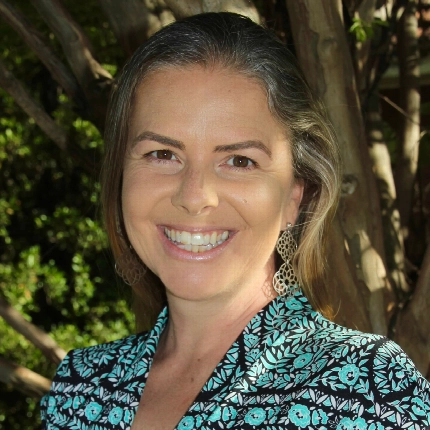
Mel Blundell
View Profile