Energy Healing
Reiki
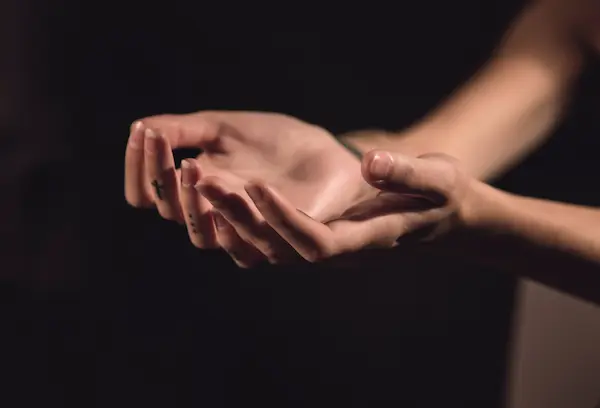
Reiki Energy Healing Explained: What It Is, How It Works, and What to Expect
What are the benefits of Reiki?
- Stress and anxiety
- Chronic pain
- Depression
- Insomnia
- Digestive issues
- Headaches and migraines
- Emotional trauma
- Cancer treatment
- Autoimmune disorders
- Post-traumatic stress disorder (PTSD)
Is there any risk or side-effect with Reiki?
Are crystals used during Reiki?
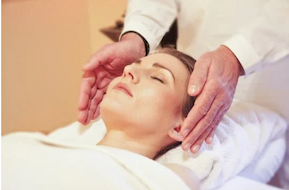
What Happens During a Reiki Session?

How Should You Feel After Reiki?
How Many Reiki Sessions are Needed?
Bodhi Holistic Hub provides a number of Reiki practitioners, all carefully vetted and verified, giving you peace of mind you’ll be in good hands.
Types or Reiki
Reiki has evolved into multiple branches since its origin. While all forms trace back to Usui Reiki, different systems emphasise specific techniques or spiritual frameworks.
Usui Reiki
This is the original system developed by Mikao Usui in Japan, and it remains the foundation of most Reiki practices today. A typical session follows a series of hand positions either lightly on or just above the body, with the intention of supporting the body’s natural ability to rebalance. Most modern Reiki lineages trace back to this system in some form, even when they’ve evolved or expanded beyond it.
Holy Fire Reiki
Developed through the International Center for Reiki Training, Holy Fire Reiki is a more recent evolution that builds on the Usui system. The experience is often described as more internally guided, with less emphasis on technique and more on allowing the energy to lead the session. Practitioners position it as working at a subtler level, focusing on emotional healing, personal clarity, and a sense of inner stability.
Angelic Reiki
Angelic Reiki blends traditional Reiki with a structured form of angelic or spiritual connection. In practice, sessions often involve invoking specific angelic presences while working with the client’s energy field. The framework is less about hand positions alone and more about facilitating a connection between the client and what is described as higher-frequency guidance.
Crystal Reiki
Crystal Reiki introduces physical tools into the session, most commonly placing crystals on or around the body. Each stone is selected for its associated properties, whether that’s grounding, emotional support, or clarity. The Reiki energy and the vibrational qualities of the crystals are used together, creating a layered approach that some practitioners find more targeted.
Karuna Reiki
Karuna Reiki is typically taught as an advanced level beyond Usui Reiki. It introduces additional symbols and techniques that are centred around compassion-focused healing. Sessions often feel more structured, with specific protocols aimed at working through deeper emotional patterns, rather than general relaxation alone.
Frequently Asked Questions
What does Reiki actually feel like during a session?
Most people describe Reiki as deeply relaxing rather than dramatic. Common sensations include warmth, subtle pulsing, or a feeling of heaviness or lightness in the body. Some people notice emotional shifts or mental clarity, while others simply rest or fall asleep. There is no “correct” experience.
How many Reiki sessions do I realistically need?
A single session is often enough to experience relaxation and a shift in state. For ongoing stress, emotional patterns, or chronic tension, practitioners typically recommend a short series, usually three to five sessions, spaced over several weeks. This allows changes to stabilise rather than relying on a one-off effect.
Can Reiki be combined with other treatments or therapies?
Yes. Reiki is commonly used alongside other holistic modalities such as massage, breathwork, or counselling. It is also used in some clinical settings as a complementary therapy to support relaxation. It should not replace medical care but can sit alongside it without interference.
Is Reiki safe? Are there any real risks?
Reiki is non-invasive and generally considered low-risk for healthy adults. The main response people report is emotional release, which can occur during or after a session. If you have a serious medical or psychological condition, it’s appropriate to check with a healthcare professional before booking.
How do I find a qualified Reiki practitioner without guessing?
Look for practitioners trained in recognised Reiki lineages, typically Usui Reiki or accredited systems. Experience, clarity in communication, and grounded client feedback matter more than marketing language. If you want a filtered option, platforms like Bodhi Holistic Hub list vetted practitioners so you can compare profiles and book directly.
Resources and Further Reading
Professional Organisations
- International Center for Reiki Training, a global training body standardising Reiki education and certification
- Reiki Australia, supporting practitioner standards and public access to Reiki services in Australia
Research and Scientific Foundation
- The National Center for Complementary and Integrative Health provides an overview of Reiki and its role as a complementary therapy, particularly in stress reduction
- Peer-reviewed studies, including those published in the Journal of Evidence-Based Complementary & Alternative Medicine, report moderate evidence for reductions in anxiety and pain in specific contexts
Educational Resources
- Foundational teachings from the Usui Reiki system, which underpin most modern Reiki practices
- Biofield therapies and mind–body medicine overview, explaining how complementary health approaches like Reiki are understood within integrative healthcare frameworks
Related Modalities
-
Biofield Tuning, a sound-based energy therapy that uses tuning forks to identify and address imbalances in the body’s electromagnetic field
-
Breathwork conscious breathing practices that can trigger altered states and emotional release
- Kinesiology assesses stress responses through muscle testing, and ThetaHealing engages altered states to work with belief patterns.
Linked articles
- How to Balance Your Chakras with Reiki - Kama Gore
- Bio-resonance and Reiki Therapy: A Gentle Path to Healing - Shari Ingleton
- Distance Reiki Energy Healing: The power of healing across space & time - Doreen Falzon
- My Journey from Trauma to Healing: How Reiki Energy Work Transformed My Life and Practice - Alicia Cutcliffe
This guide was written by the Bodhi Holistic Hub team according to their editorial policy.
Last Updated: May 2026
“A healer’s power stems not from any special ability, but from maintaining the courage and awareness to embody and express the universal healing power that every human being naturally possesses”
Eric Michael Leventhal
Discover our vetted practitioners

Alexandra Marmoux
View Profile
Lauren Short
View Profile
Jodie Clark
View Profile
Lynsey Tomkinson
View Profile
Joanne Christophers
View Profile