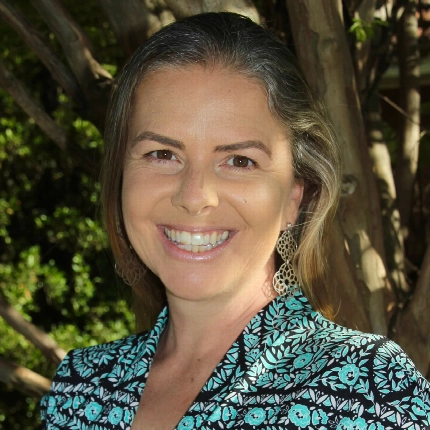
Written by Mel Blundell
—
Did you know there are many ways we communicate as well as take in and process information? You may have seen it in children, as a parent or teacher, or even in the workplace. As adults, many of us tend to revert to a childhood style that we associate with a good memory.
From an empath and PSYCH-K® Facilitator point of view, my understanding of this is also at another level. This article will explain.
How do we tend to communicate? Why is this awareness key?
Do you remember being a good or bad student at school? How did the school environment influence this? How did your parents influence?
If you were an auditory (hearing) learner, how your teacher spoke was key. If you were mostly a visual learner, as well as a predominantly non-verbal communicator, you would have probably done well. Schools are mostly set up for these styles.
Talkative people were probably more kinesthetic (‘hands-on’) learners needing things to be actioned, as well as auditory. If you were talkative in school, how were you treated?
Shy students were more non-verbal. Choosing expressions, or non-expressions (still a response) to communicate.
—
Verbal communication - refers to the way you express yourself using spoken words
Non-verbal communication - includes facial expressions, gestures, posture, eye contact, and personal space.
—
How we communicate is a combination of words, facial and body expressions, but also tone. Tone conveys emotions. But tone also creates excitement or engagement. Tone is used more than people realise.
Words don’t have a tone. Spoken words do.

How does our tone play into it?
Tone influences how the spoken word is interpreted. It influences how a message or teaching is perceived. Tone also conveys emotions. For example, if someone is feeling happy when they talk and a loving or joyful tone is used, this influences how a person takes on what someone is saying.
Tone takes on an even deeper meaning to an empath. Empaths create what is known as a ‘field’. Generated by knowing what another is feeling. In school, if your teachers wasn’t well or not in a good mood one day, your studies would have struggled. Even if you are also an auditory learner. Empaths will worry too much, clouding the learning.
Tone creates an element in communication that most people only become more aware of as an adult.
To assist with your own family dynamics or classroom, your own awareness and mastery of your tone is key.
Why does it matter if we aren’t strong in all these communication and learning types?
Variety is key. Relationships done well with many different people do depend on you being strong in all communication and learning types.
Trauma especially around speaking doesn’t serve you. Traumas in childhood can also impact our communication and learning style throughout our life.
For example, if giving a shy response helped you with a mean teacher, you will more likely lean towards non-verbal. Even as an adult.
Or if you were praised but with a negative tone as a talkative child, you may have developed several limiting beliefs. Limiting beliefs hinder your self-worth, confidence and self-esteem. Making you, for example, not take risks or avoid things.
So if you have a large customer base, work with lots of people, want to be a more effective teacher, have a large family, want deeper relationships or just want more friends. Dealing with your trauma and being more balanced across all styles will greatly benefit you.
How do we work through our shortcomings?
We are all different. How we were raised is different. What classroom environments we were in, how old our siblings were, all play a part.
To counteract this, we must as adults, develop strength in all learning and communication styles.
Self-awareness is key.

How does a PSYCH-K® Healing Session work for this type of topic?
Your own childhood experiences are dealt with. For example, most people have at least five traumas from school. Some major, others minor. Being able to gently revisit each in a PSYCH-K® Session, using psychic abilities and emotion code, we will clear those school-based plus other traumas. Helping the mind.
PSYCH-K® limiting belief deprogramming work is also part of the trauma healing. With this inner work, your self-awareness is turned up.
Being an empath PSYCH-K® Facilitator is also a strength. My tone, your tone. All assist at a deeper level.
Balances taught at the PSYCH-K® training are also brought into the sessions as needed. Verbal and non-verbal rapport balances. Auditory, visual and kinesthetic balances. Relationship balances.
After a few sessions you should be more aware of your own change. So how does this affect my relationships and life with friends, family and at work?
If you are strong in both verbal and non-verbal communication you will be able to better understand others. Benefits to being a stronger communicator will be evident.
Having all three learning styles (auditory, visual and kinaesthetic) strengthened will be evident in more subtle ways. For example, via decisions you make and actions you take. You will also be able to take in a lot more information.
Overall improvements in your life will be noticed. For example, being more productive at work, a more communicative partner or being a calmer parent.
Support for children
Children react to us. They watch. As a parent, you can greatly assist with your own children’s development and mental and emotional health by being more healed.
Children may also have been through traumas. Help is available.
Verbal and non-verbal rapport balances. Auditory, visual and kinesthetic balance. Relationship balances. All work with children.
What does a child’s session look like?
If your child is under 12 years, there is no physical or online involvement from them. However, healing of traumas and balances in these areas can still be accommodated. You are welcome to reach out via a discovery call. Or book in for a Child Remote Reading/ Healing. Healing is usually done when the child is asleep.
To book in a discovery call or for one of Mel Blundell’s PSYCH-K Sessions or Child Reading/Healings, visit her profile.
This article is written by one of our trusted practitioners on Bodhi Holistic Hub. All practitioners are carefully vetted, and our content follows our Editorial Policy.
About the Author
Mel Blundell
Mel Blundell is an intuitive healer and PSYCH-K facilitator dedicated to helping individuals restore balance across the mental, physical, spiritual, and energetic levels. Having supported hundreds of clients, she blends modalities such as PSYCH-K, Emotion Code, chakra work, and psychic abilities to guide deep, tailored healing. Through her personalized sessions and remote readings, Mel empowers people to calm their minds, clear limiting beliefs, and reconnect with their inner intuitive guidance.
See Profile
Subscribe to our newsletter to receive a regular dose of holistic news, tips and tools (we only send one every month or so we promise!)


